
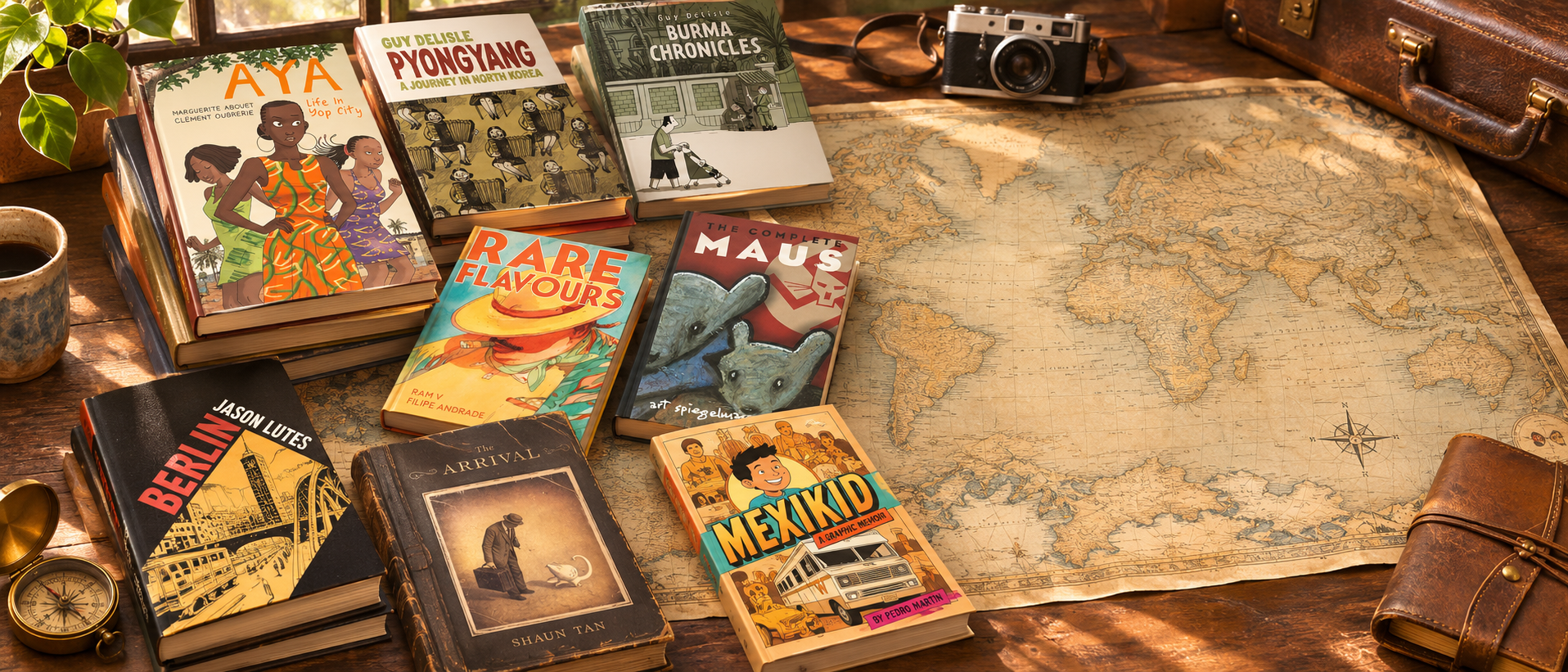
Beyond the Panels: Around the World in 20 Graphic Novels
Stories That Change How We See the World. Themes of culture, history and belonging, for readers who like to look beyond the familiar.
My travels with ISP encouraged me to learn more about the countries and cultures we encounter through our work, including through reading graphic novels. I came to love how these books could take me somewhere unfamiliar and offer a glimpse of life through someone else’s eyes.
This selection brings together my love of sequential art and storytelling with something central to our work at ISP: cross-cultural understanding. These stories have become another way for me to discover different places, learn about their history and encounter perspectives I might otherwise have missed. I hope you’ll find something here that sparks your curiosity, too.
A note to readers
This collection is curated for adult readers and may contain mature content or viewpoints some readers find uncomfortable. Exploring different personal, cultural and political perspectives is central to this collection, encouraging curiosity, reflection and discussion. These are individual perspectives, not portraits of entire countries. The settings below identify the main places where each story unfolds; they aren’t a guide to those places today. Inclusion does not imply that International Study Programs endorses the views expressed.
Reader discretion is advised.
Edited by Tomas Karvai
Marketing Manager at International Study Programs
December 2026
Everyday life, different worlds
Family expectations, neighborhoods and the surprises of living somewhere unfamiliar.
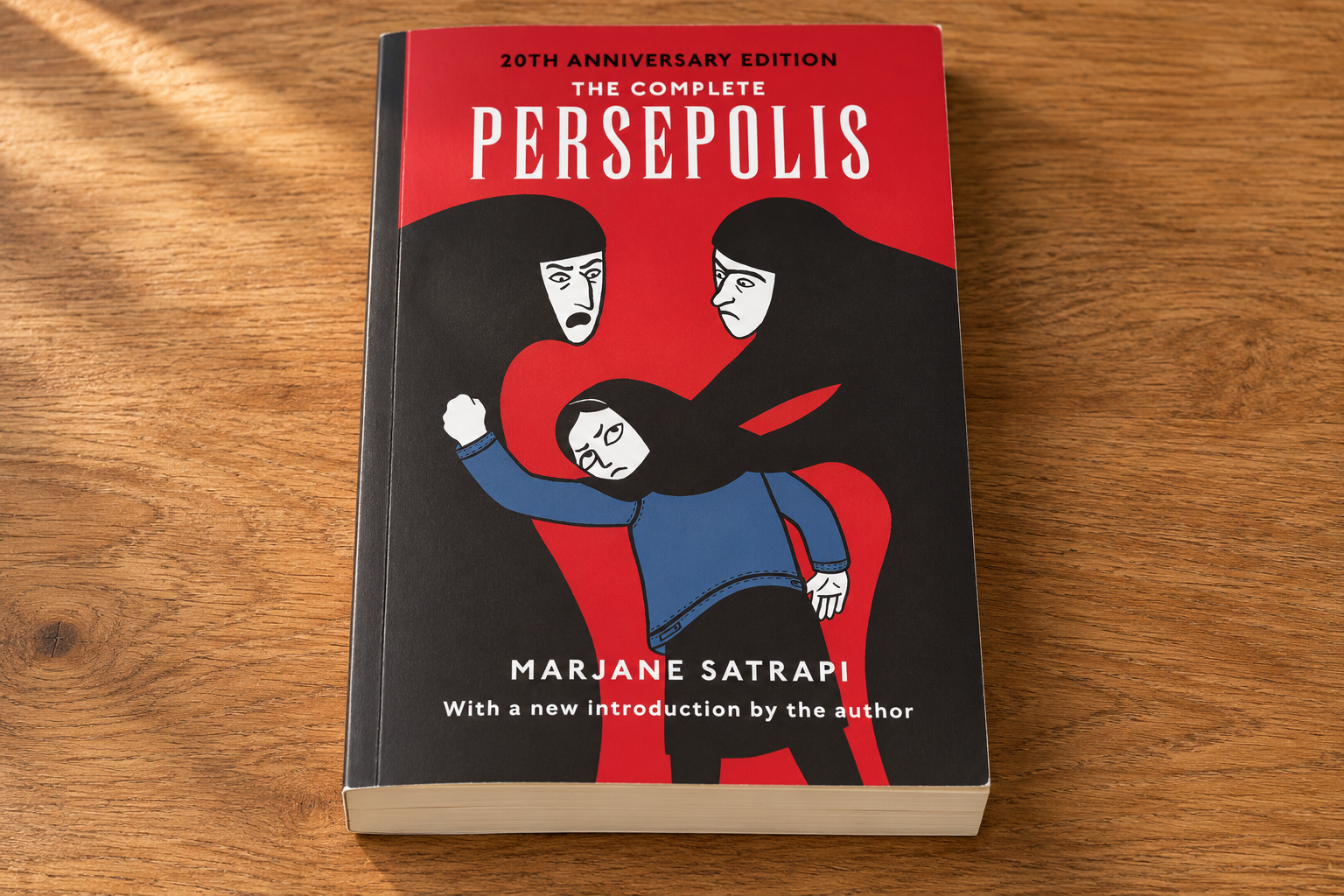
Persepolis
Marjane Satrapi
Where it takes place: Iran and Austria
Satrapi’s memoir follows her childhood in revolutionary Iran, her teenage years in Vienna and her return home. Political repression sits alongside family arguments, adolescent rebellion and the difficulty of working out where she belongs. The shifts between Tehran and Vienna are central to the story: leaving one country’s expectations behind does not make navigating another’s any simpler.
Beyond the story: A chance to consider the gap between a country’s public image and the private lives of its people.
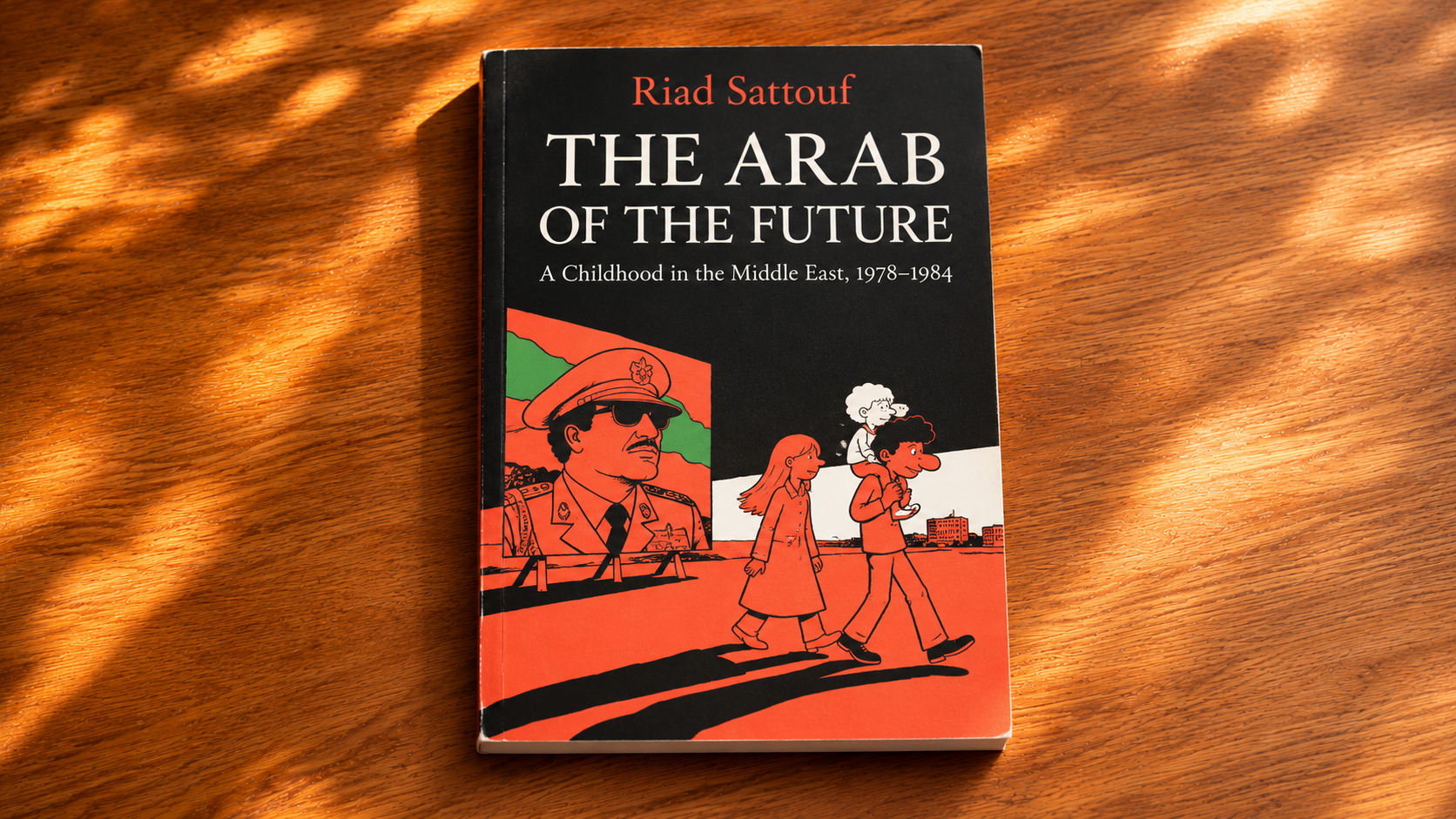
The Arab of the Future
Riad Sattouf
Where it takes place: France, Libya and Syria
With a French mother and a Syrian father, young Riad grows up moving between countries and competing ideas about how life should be lived. His father’s convictions often clash with what the family actually encounters. Told through a child’s observant, sometimes bewildered perspective, the memoir makes room for absurdity as well as discomfort. Start with the first volume, which covers 1978 to 1984.
Beyond the story: How children absorb the prejudices, loyalties and contradictions of the adults around them.
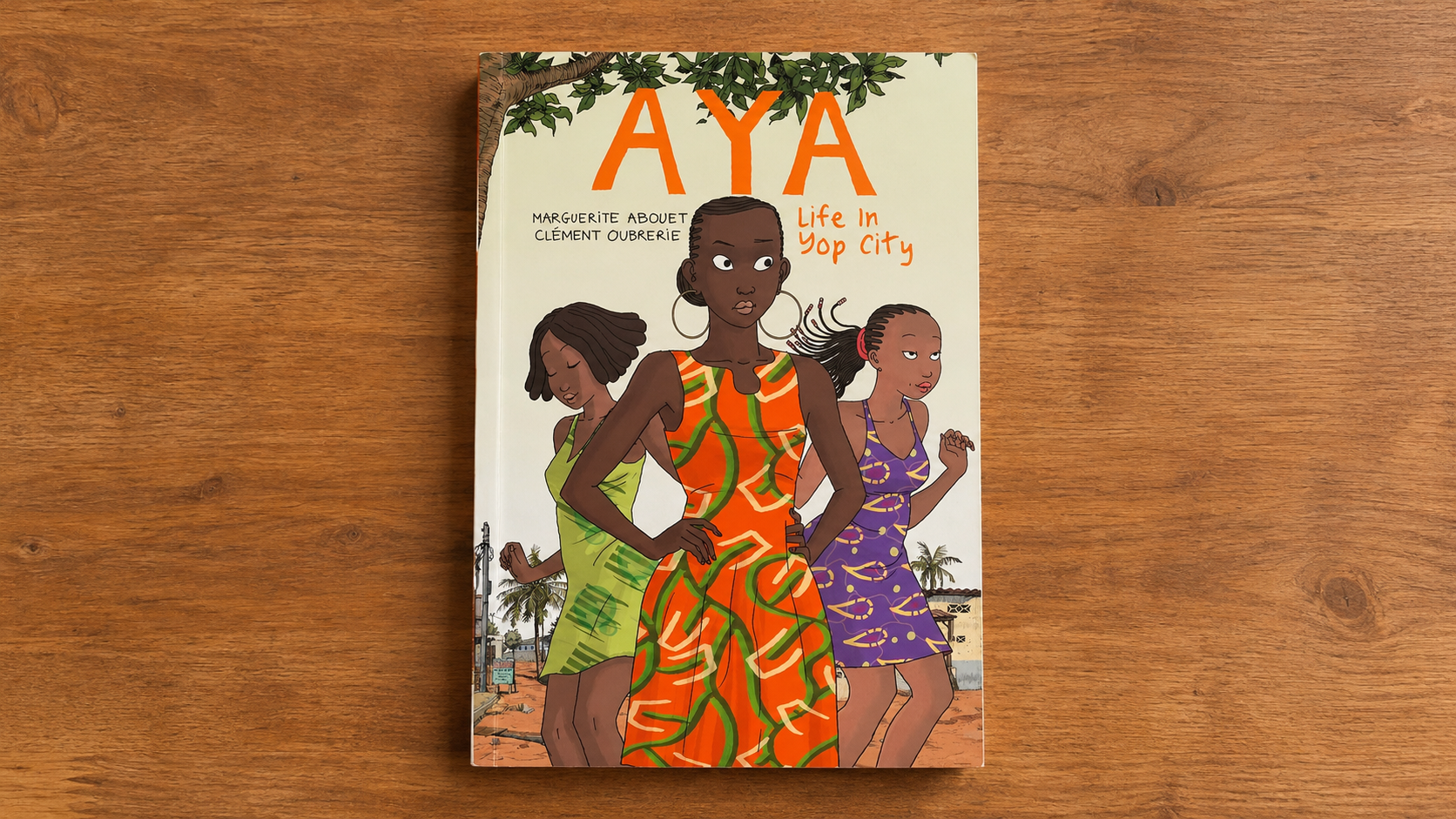
Aya: Life in Yop City
Marguerite Abouet and Clément Oubrerie
Where it takes place: Ivory Coast, primarily Abidjan
In late-1970s Yopougon, Aya and her friends have studies, romances and interfering relatives to contend with. This is a busy, colorful neighborhood where everyone’s decisions seem to become everyone else’s business. Drawing on Abouet’s memories of growing up in Ivory Coast, the fiction puts young women’s ambitions and everyday concerns at its center. This collection brings together the first three volumes.
Beyond the story: A welcome reminder to make room for ordinary life, humor and personal ambition when learning about a place.
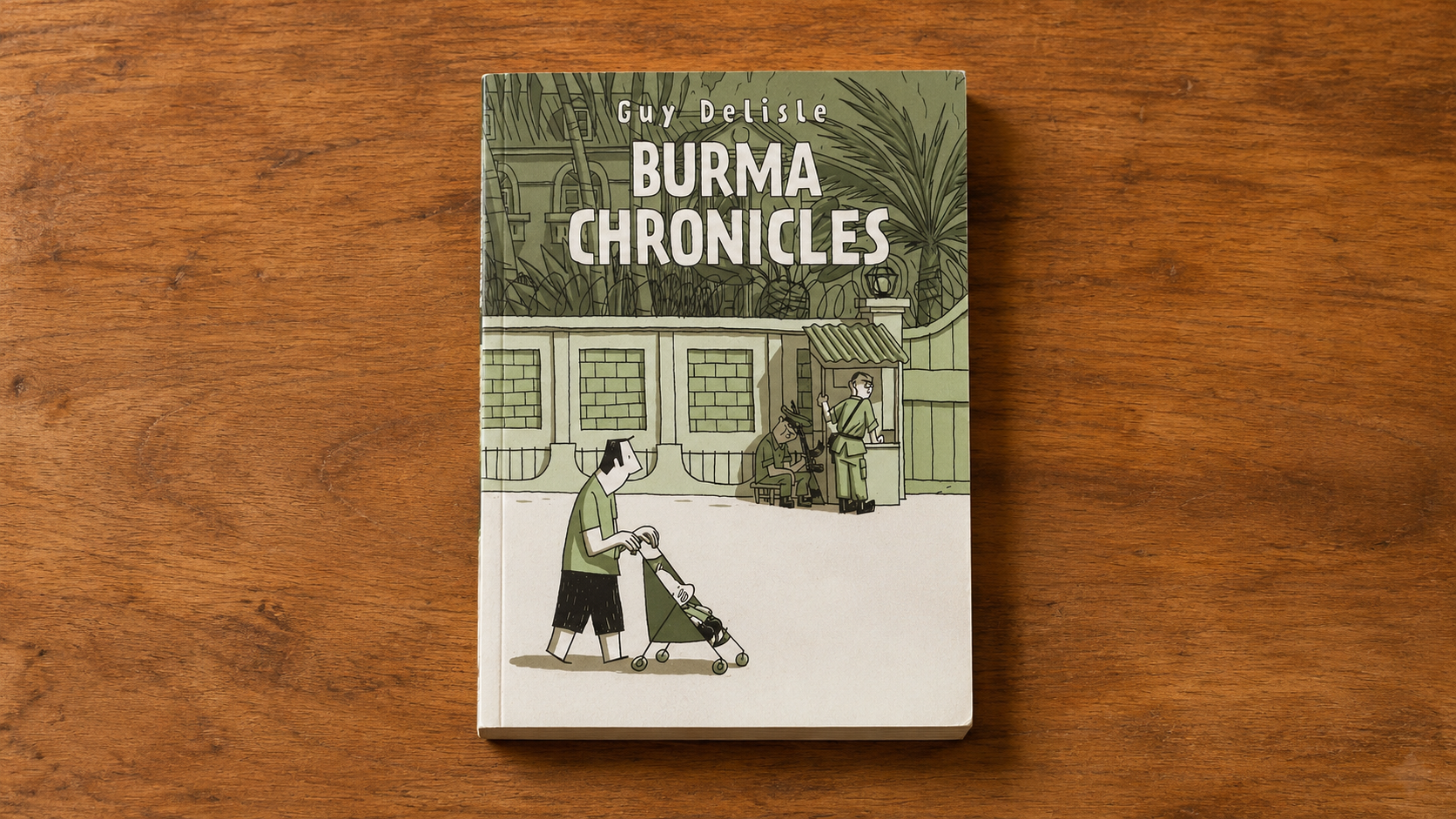
Burma Chronicles
Guy Delisle
Where it takes place: Myanmar
Delisle moves to Myanmar with his young son and his wife, who is working for Doctors Without Borders. Much of his account concerns the practical business of living there: getting around, meeting neighbors and looking after a child. Restrictions and censorship enter the picture through those ordinary encounters. His dry humor makes this an approachable travel memoir, with the limitations of a visitor’s viewpoint worth keeping in mind.
Beyond the story: What can an outsider notice, and what might remain out of reach?
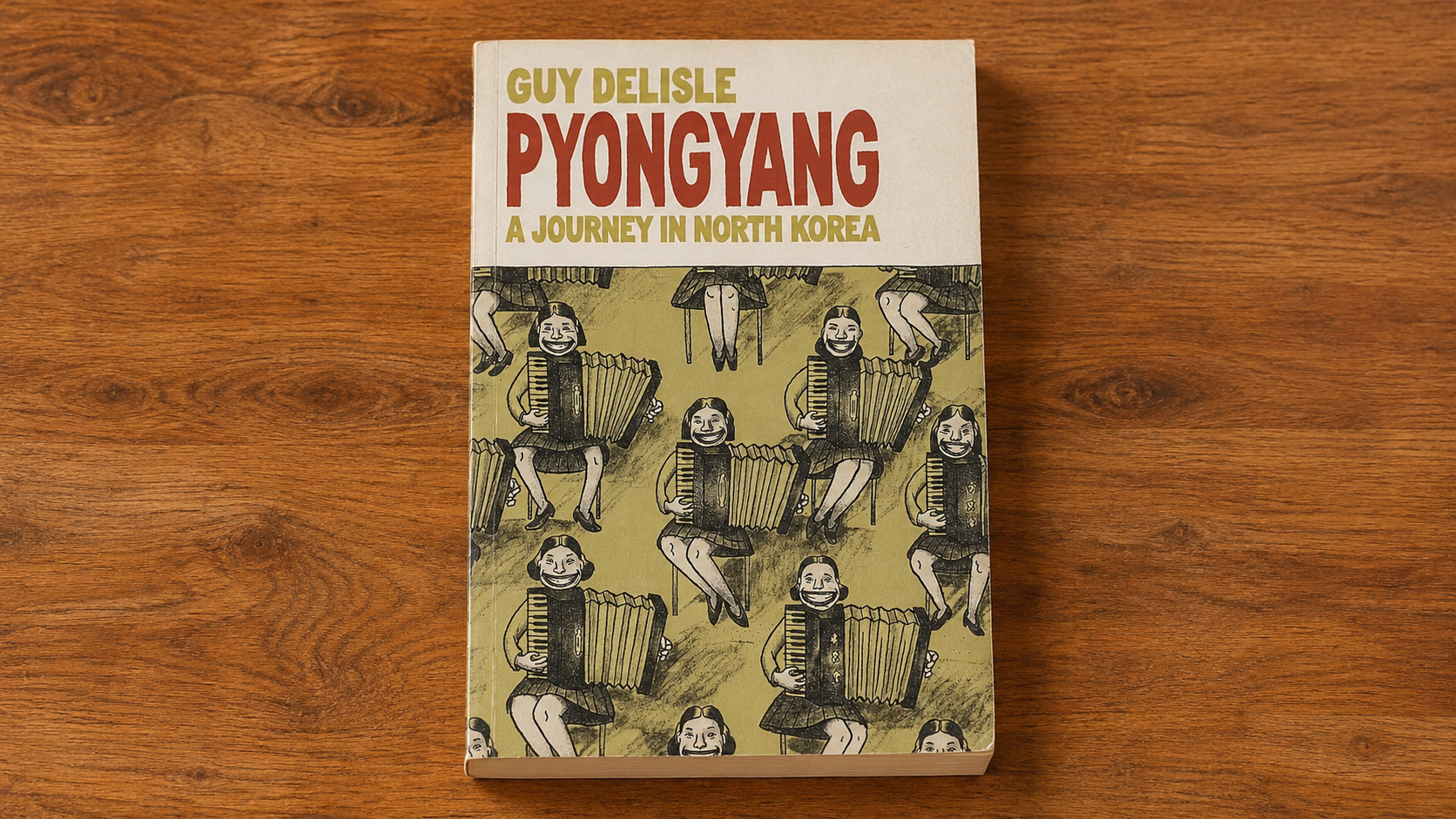
Pyongyang: A Journey in North Korea
Guy Delisle
Where it takes place: North Korea
A two-month animation job takes Delisle to Pyongyang, where his movements and encounters are closely managed. He records the strange routines of working abroad, the official version of the country he is shown, and the questions he cannot easily ask. The result is often funny, but the narrowness of his access is part of the story, not something the book can overcome.
Beyond the story: The difference between visiting a country and being able to understand the lives of its residents.
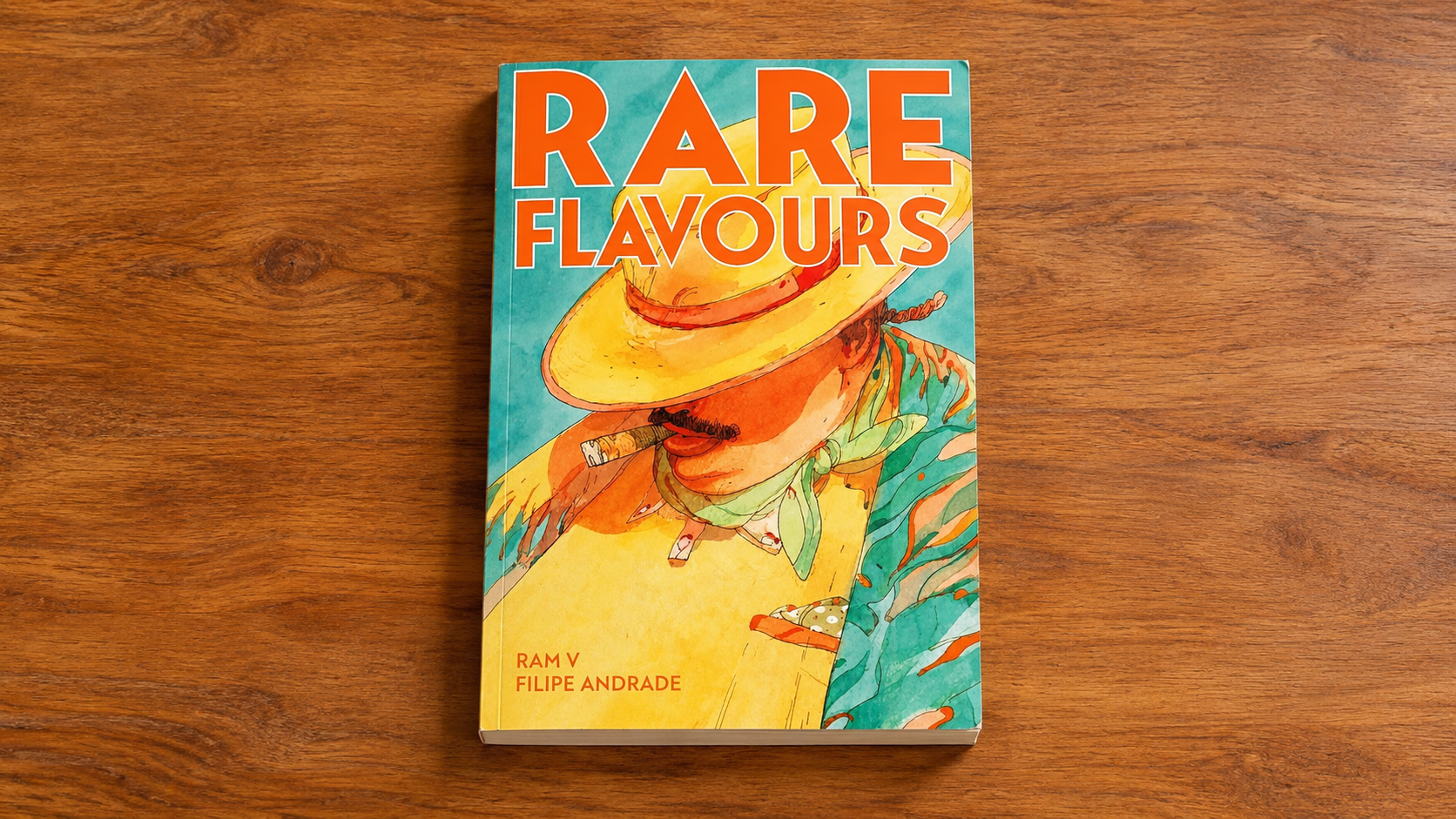
Rare Flavours
Ram V and Filipe Andrade
Country: India
Rubin Baksh wants to make a documentary about Indian food. He also happens to be a demon. With a struggling filmmaker behind the camera, he sets out to explore the dishes and people that make the journey worth taking. Mixing food, folklore and horror, Rare Flavours finds stories in recipes, cooking traditions and the memories attached to a meal. It is a darkly imaginative invitation to pay closer attention to what we eat and whose stories it carries.
Beyond the story: What could a favourite dish tell someone about where you come from?
History at a human scale
Major events seen through relationships, daily decisions and the effort to carry on.
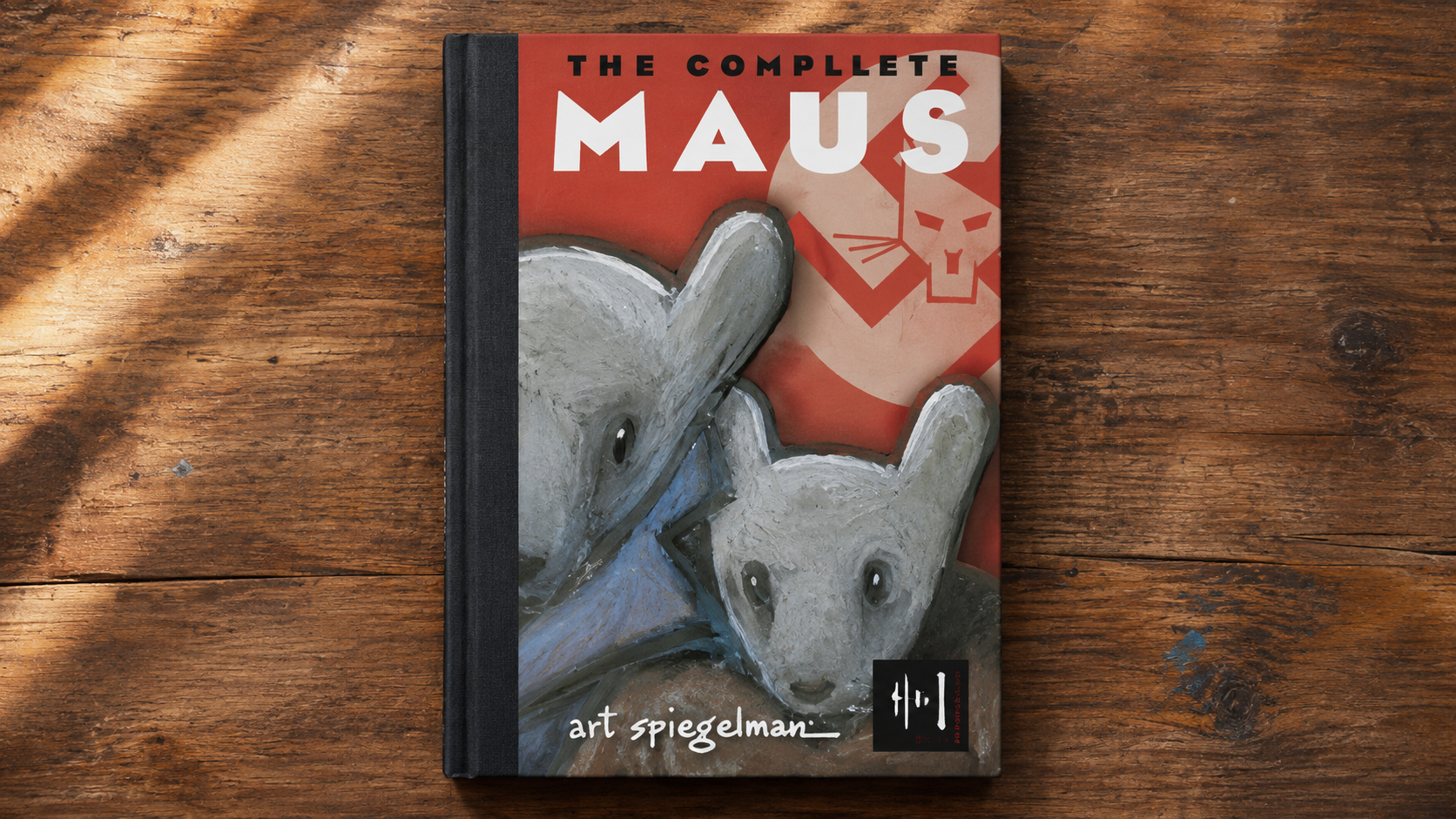
Maus
Art Spiegelman
Where it takes place: Poland, Germany and the USA
Spiegelman records his father Vladek’s experiences as a Jewish survivor of the Holocaust while also showing their difficult relationship years later in America. The two strands are inseparable. This is a book about surviving persecution, but also about trying to tell that story, listening to it, and living with what cannot be resolved. The animal characters make its visual language distinctive without softening the history.
Beyond the story: How historical trauma travels through families, and how memory becomes a story passed between generations.
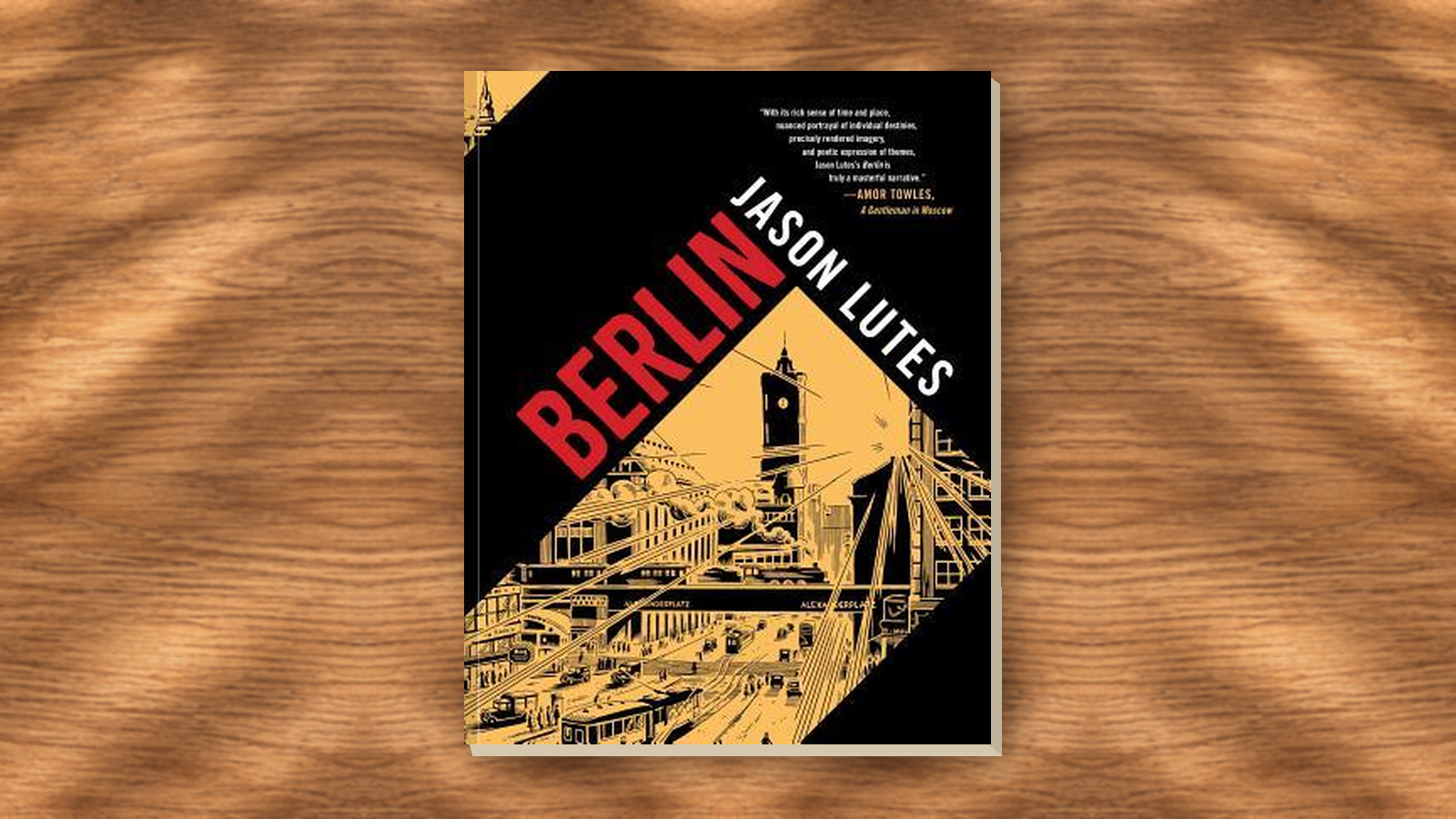
Berlin
Jason Lutes
Where it takes place: Germany
Set between 1928 and 1933, Berlin follows people trying to build lives in a city approaching catastrophe. Work, relationships and artistic ambitions continue as political divisions deepen around them. Rather than treating the period as a sequence of famous events, Lutes gives it the texture of lived experience. The reader knows where history is heading; the characters do not.
Beyond the story: How political change enters everyday life, and how difficult it can be to recognize a turning point from within it.
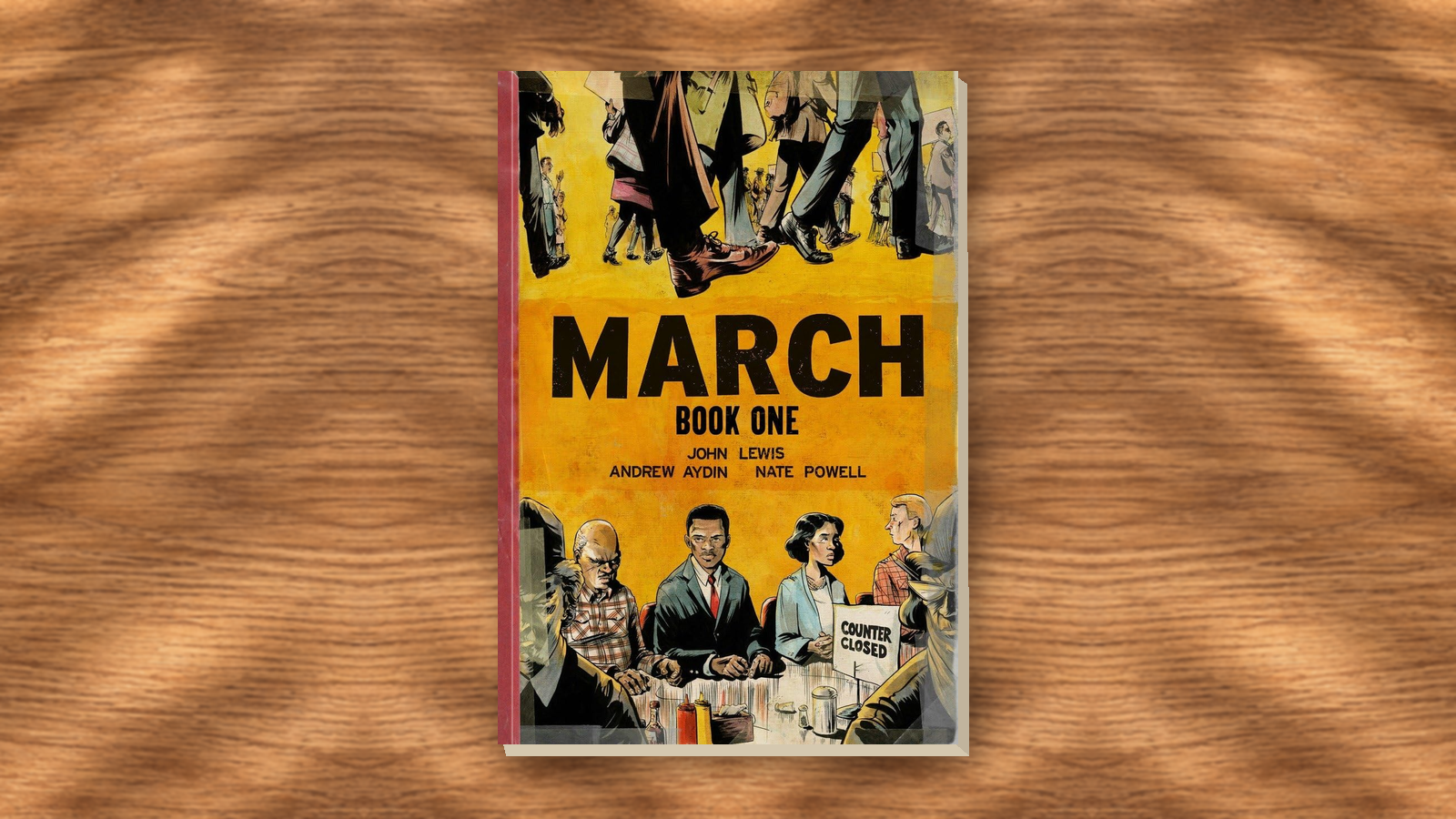
March
John Lewis, Andrew Aydin and Nate Powell
Where it takes place: USA
This three-volume memoir follows John Lewis from his childhood in Alabama into the American civil rights movement. Its account of nonviolent protest pays attention to the preparation, cooperation and personal risk behind collective action. Lewis’s perspective gives familiar historical events an immediate human dimension, while the drawings convey both the energy of the movement and the violence it faced.
Beyond the story: Leadership as something practiced with others, through decisions that carry real consequences.
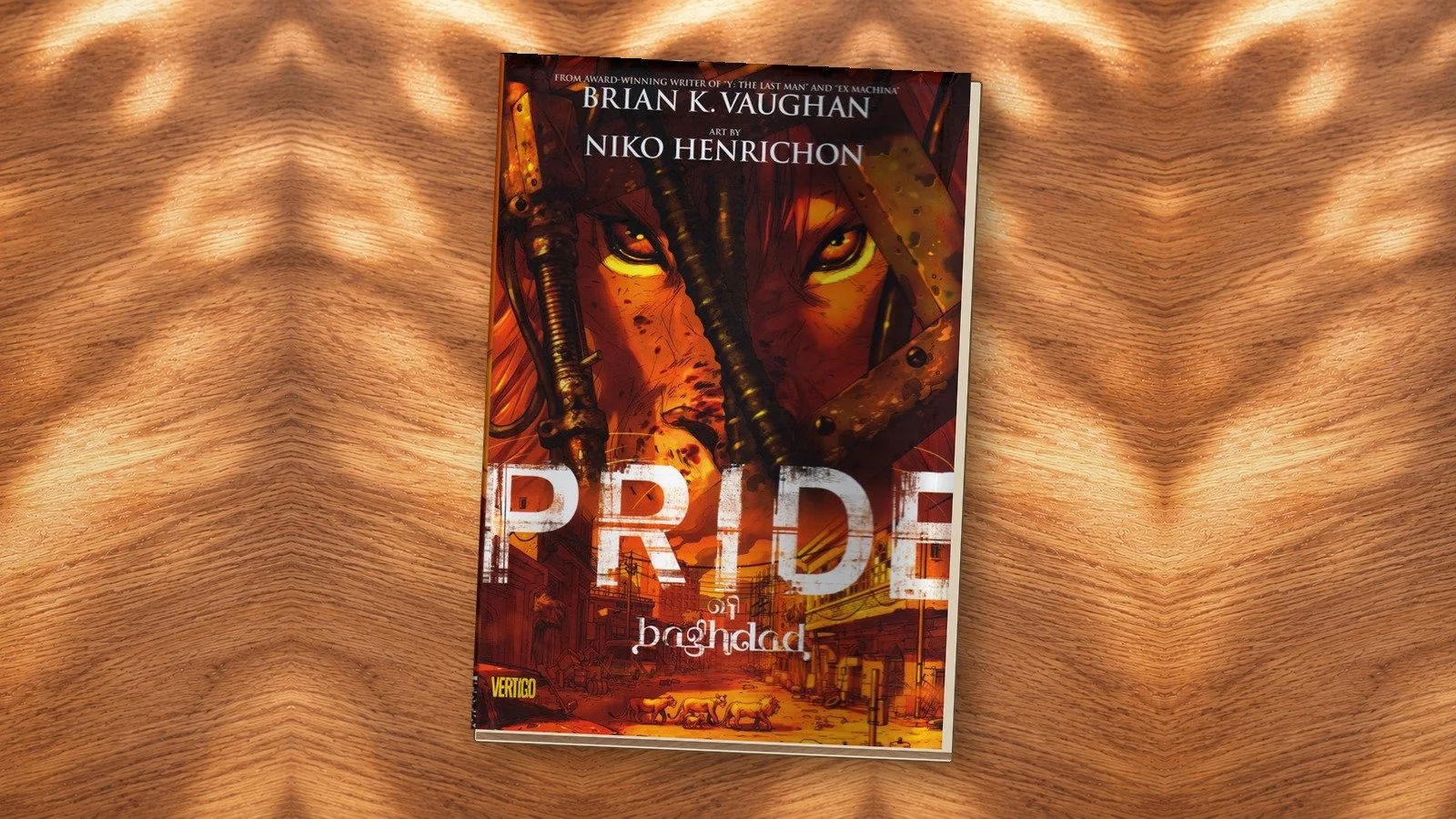
Pride of Baghdad
Brian K. Vaughan and Niko Henrichon
Where it takes place: Iraq, primarily Baghdad
Four lions escape Baghdad Zoo as war transforms the city around them. Beyond the enclosure, freedom brings dangers they are ill-equipped to understand. Inspired by a real incident, this fictional story follows their search for safety while exploring the different meanings of captivity and liberation. Henrichon’s detailed artwork gives the city and its animal inhabitants a vivid presence.
Beyond the story: What does freedom mean when the decisions shaping your life are being made by others?
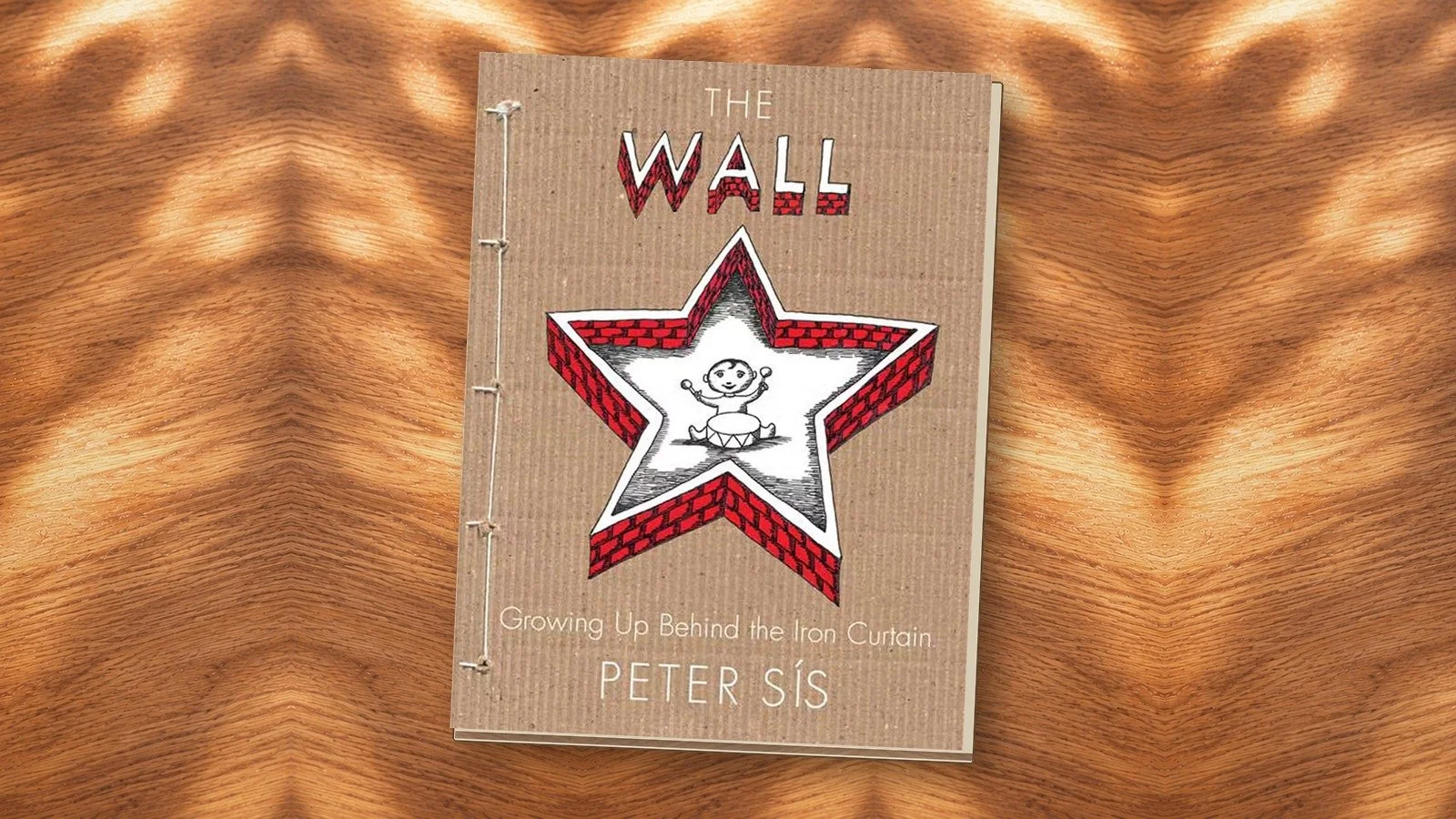
The Wall: Growing Up Behind the Iron Curtain
Peter Sís
Where it takes place: Czechoslovakia, primarily Prague
Sís looks back on growing up behind the Iron Curtain, where what he could read, draw and believe was shaped by the state. Through illustrations, maps and personal recollections, he follows his discovery of music, art and ideas from beyond those borders. The hopes of the Prague Spring and the Soviet-led invasion of 1968 become part of a personal story about creativity and the desire to see the world.
Beyond the story: How education, access to culture and the freedom to ask questions shape our understanding of the world.
Leaving home, finding belonging
Starting again can mean crossing an ocean, moving for work or learning which parts of yourself you are willing to hide.

The Arrival
Shaun Tan
Where it takes place: An imaginary world
A man leaves his wife and daughter to find a new home for them. At his destination, the food, buildings, creatures and written language are unfamiliar. Tan tells the story without readable dialogue, so the reader has to interpret this world alongside its newcomer. The fantasy setting makes a familiar migration story feel strange again, restoring the uncertainty of arriving somewhere without knowing how anything works.
Beyond the story: What it feels like to lose the everyday competence that comes with understanding your surroundings.
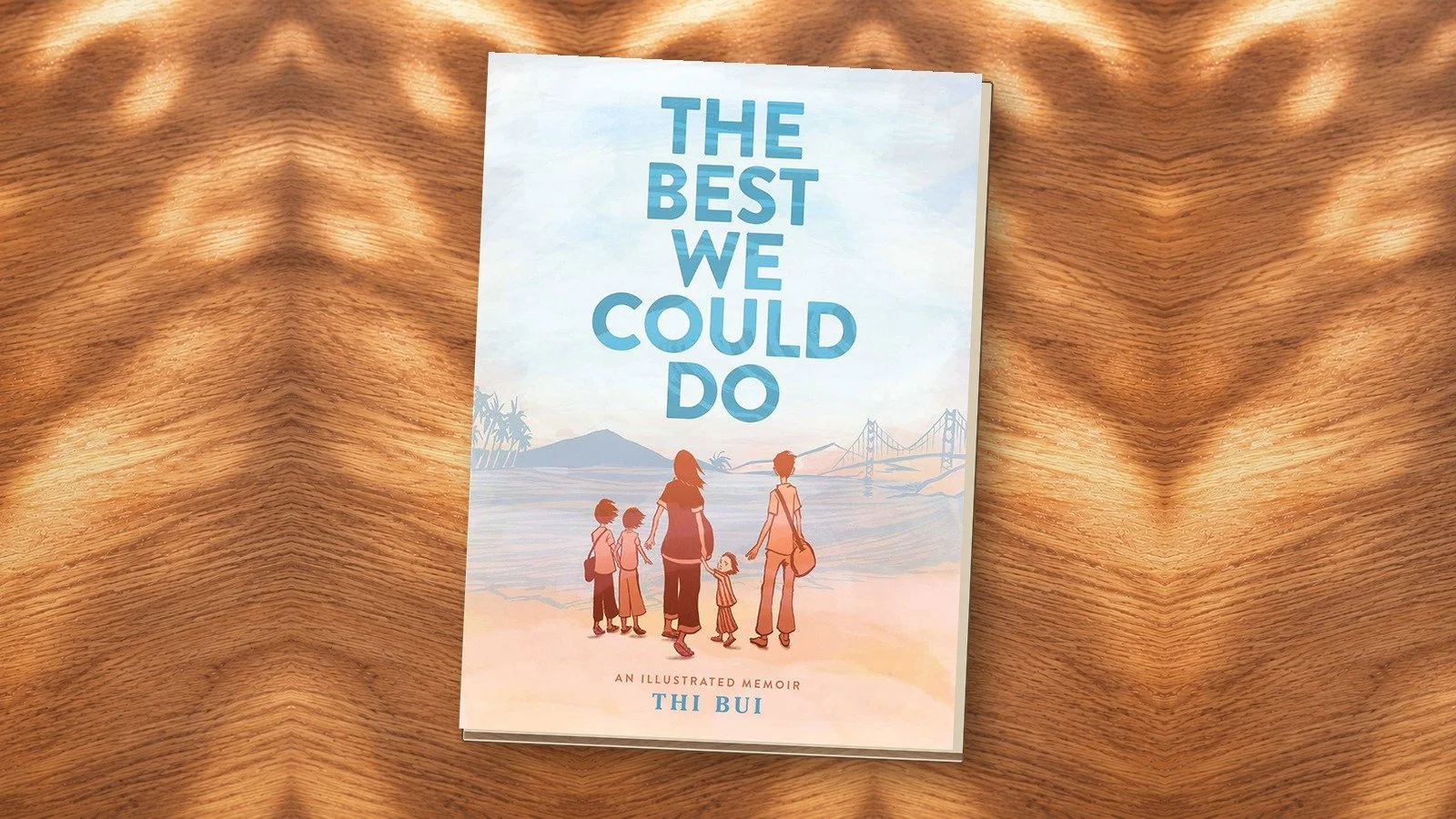
The Best We Could Do
Thi Bui
Where it takes place: Vietnam, Malaysia and the USA
Becoming a parent leads Bui to reconsider her own parents’ lives. She traces their histories in Vietnam, the family’s escape, their time in a Malaysian refugee camp and the process of starting again in America. Moving between generations, the memoir gradually changes the meaning of familiar family tensions. Decisions that once seemed difficult to understand become part of a much longer story.
Beyond the story: Understanding migration through family history, including what children inherit without being told its full story.
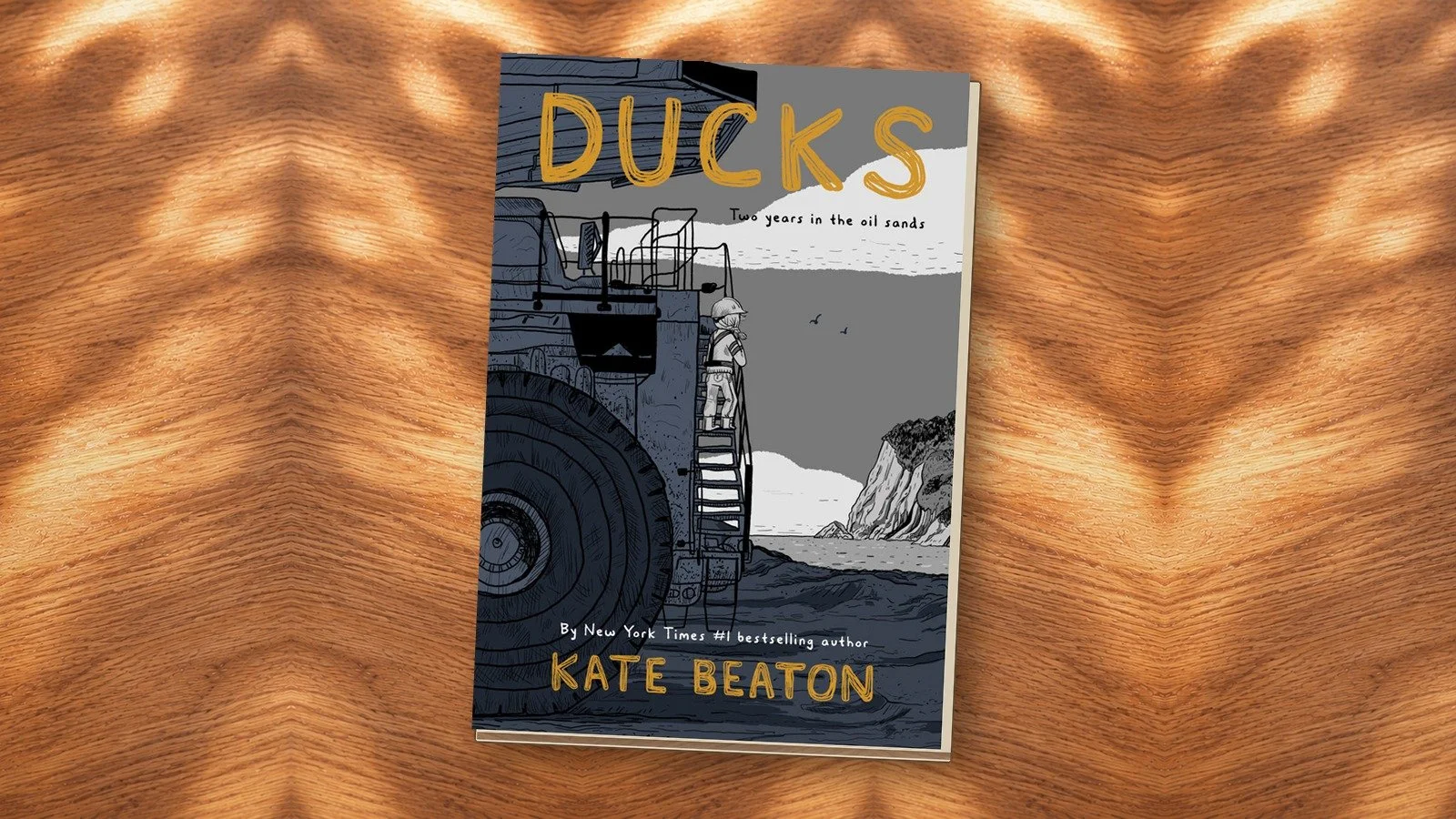
Ducks: Two Years in the Oil Sands
Kate Beaton
Where it takes place: Canada
To pay off her student loans, Beaton leaves Nova Scotia for work in Alberta’s oil sands. The money comes with isolation, a heavily male workplace and experiences that expose the human costs of the industry. Her account keeps individual workers in view alongside questions about environmental damage and economic dependence. For readers interested in business, it offers a perspective rarely found in a company presentation.
Beyond the story: Who benefits from an industry, who depends on it, and who carries its costs?
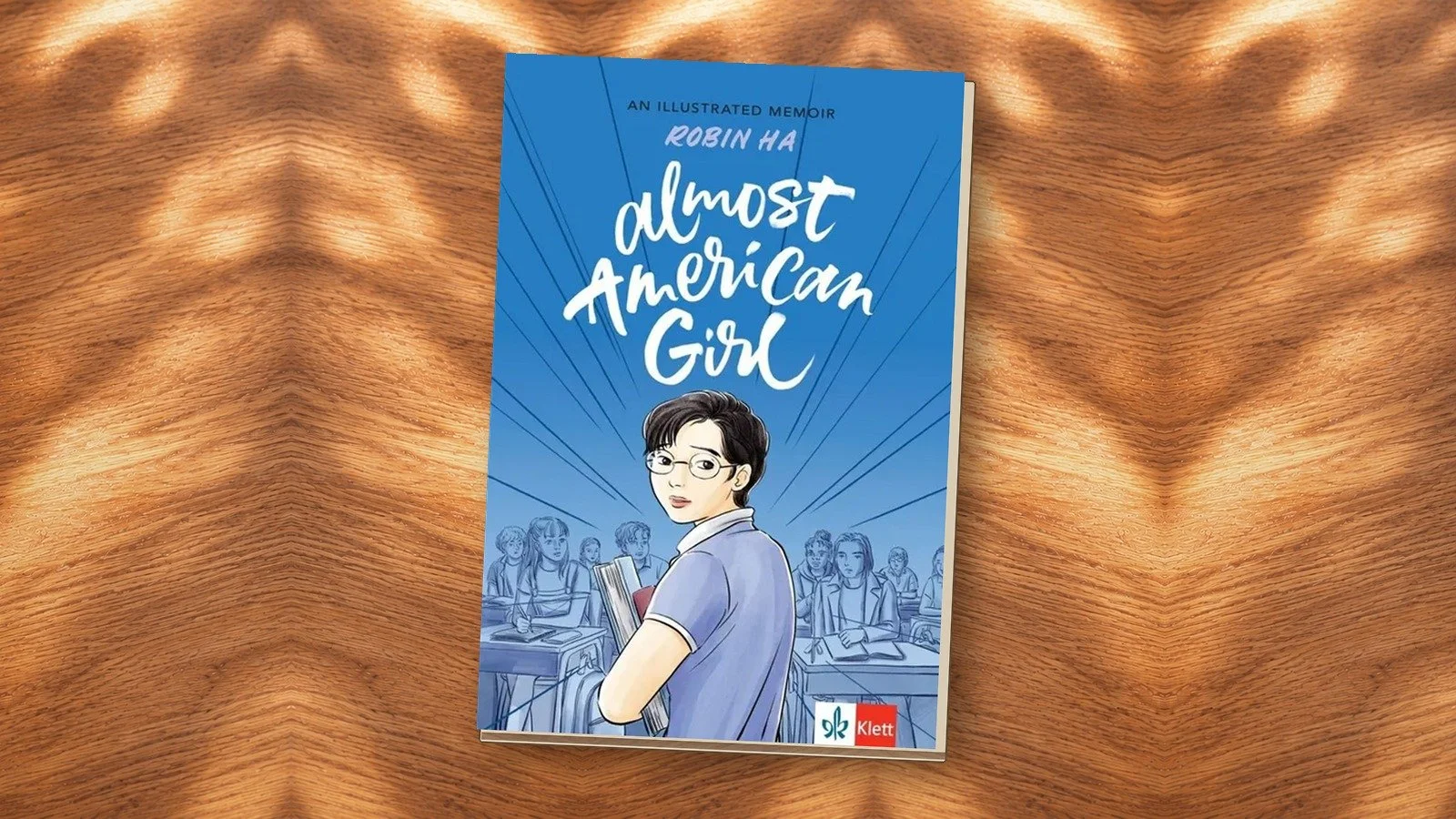
Almost American Girl
Robin Ha
Where it takes place: South Korea and the USA
What Robin expects to be a visit to Alabama becomes a permanent move. In the 1990s, she finds herself separated from her friends in Seoul, struggling with English and angry with her mother. Drawing eventually offers a way to connect with other people. The memoir is especially good at keeping the move personal: the opportunity an adult sees can feel very different to the child experiencing it.
Beyond the story: The emotional side of cultural adjustment, beyond language lessons and practical preparation.
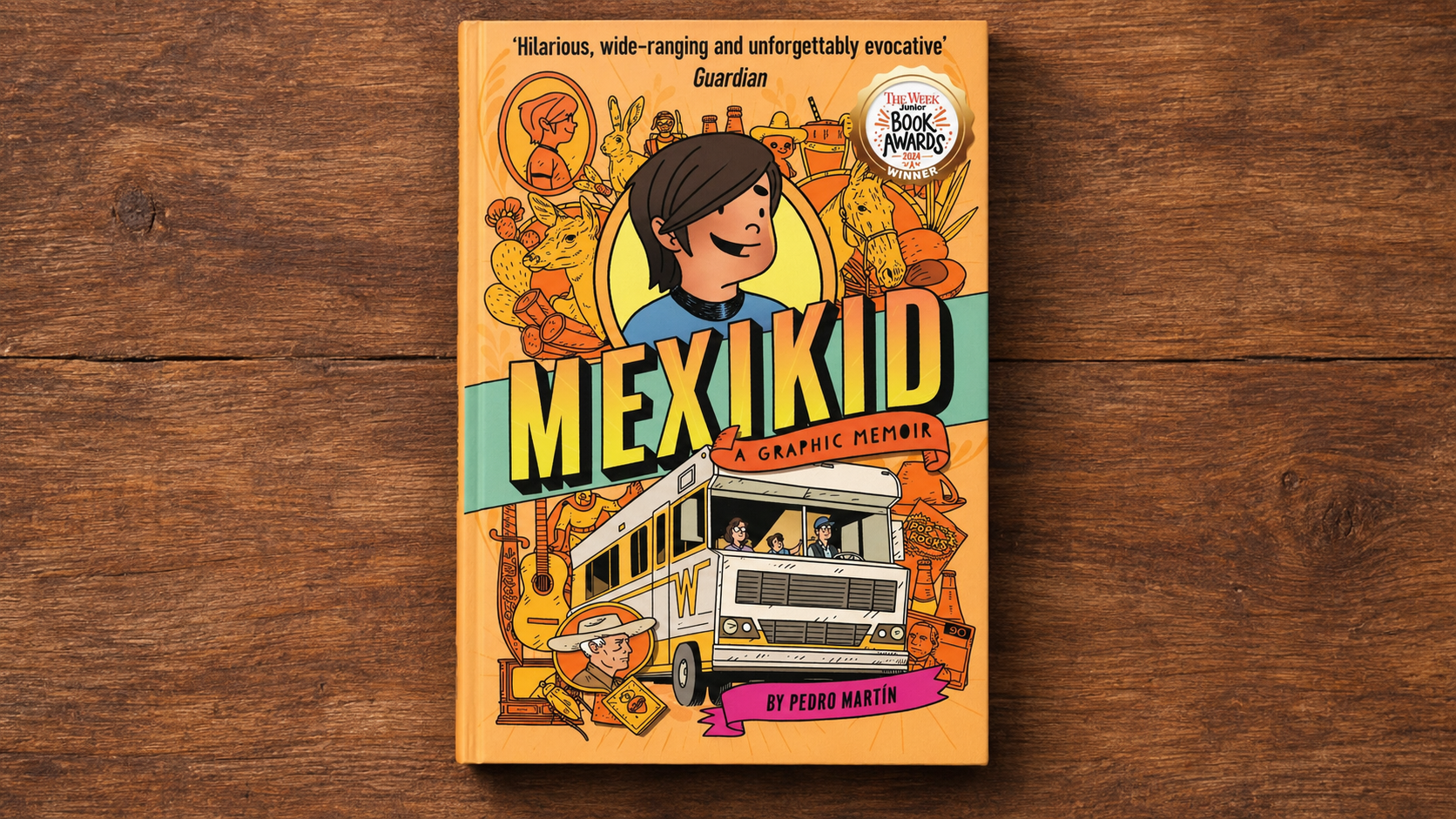
Mexikid: A Graphic Memoir
Pedro Martín
Where it takes place: Mexico and USA
Growing up in California as the son of Mexican immigrants, Pedro isn't always sure where he belongs. When his family packs into a motorhome for a road trip to Mexico to bring his grandfather home, he gets a chance to discover the country his parents came from. Full of humour, family chaos and unexpected discoveries, Mexikid explores what it means to grow up between two cultures and find a connection to your family's past.
Beyond the story: How visiting the country of your family's origins can change your understanding of who you are.
Family, identity and how we see the world
Understanding difference also means looking within societies, where beliefs and experiences can vary enormously.
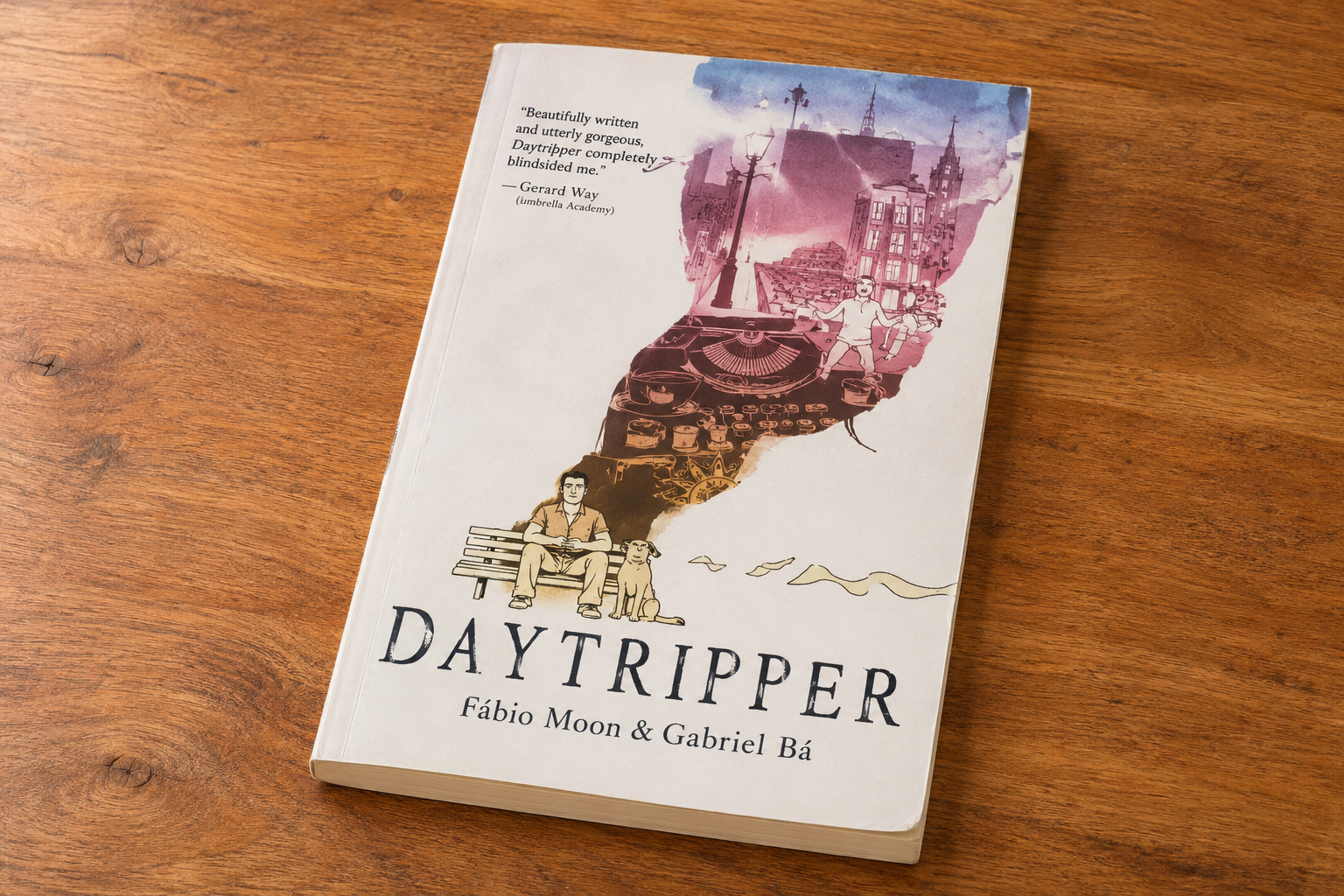
Daytripper
Fábio Moon and Gabriel Bá
Where it takes place: Brazil
Brás writes obituaries while trying to make something of his own life. Moving between significant moments rather than following a straightforward timeline, Daytripper explores friendship, love, family and the paths a life might take. Its Brazilian settings give those experiences a particular sense of place. This is less a guide to a country than an invitation to spend time inside one person’s possibilities.
Beyond the story: What makes a life meaningful, and how much of it depends on the people around us?
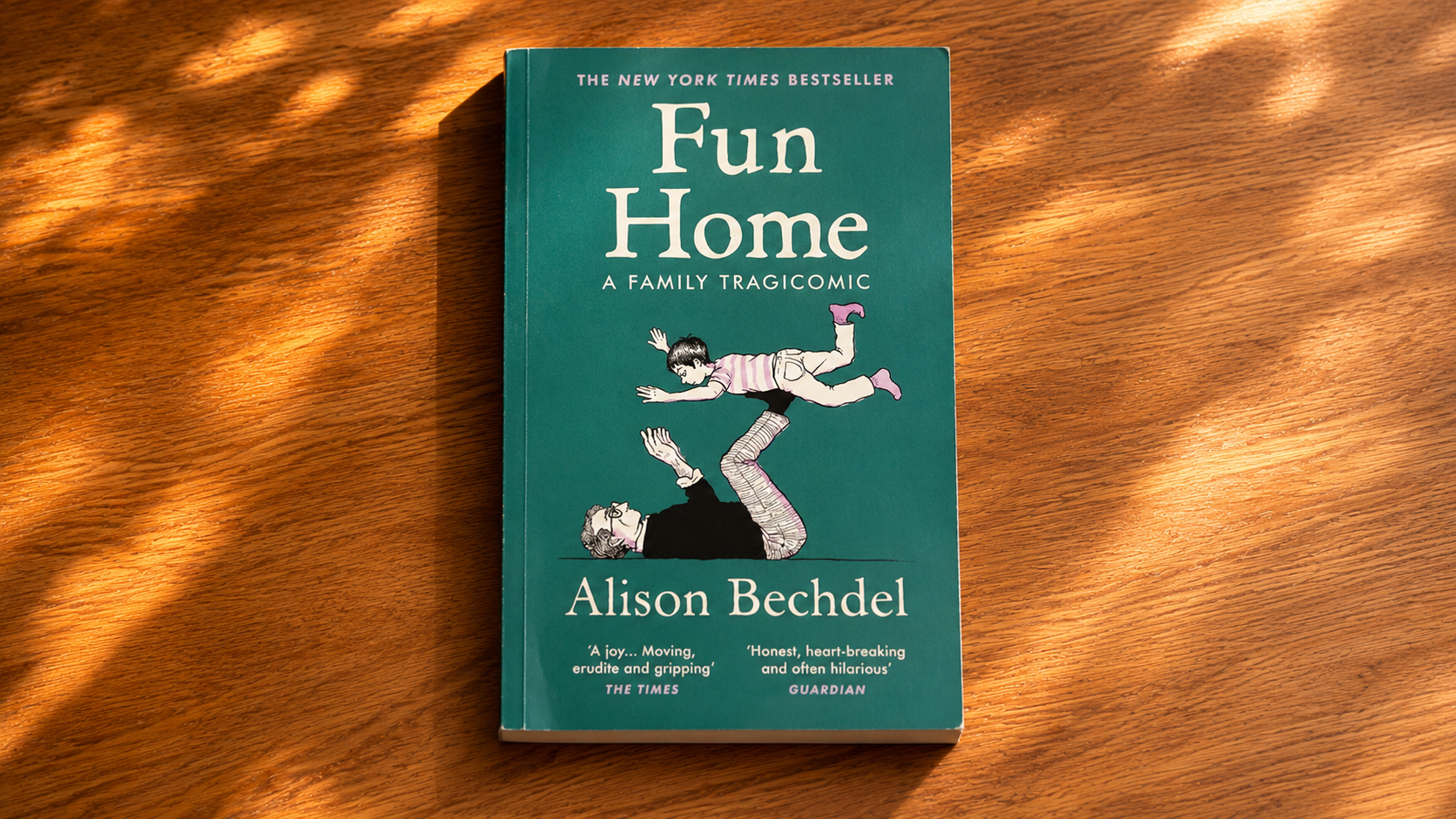
Fun Home: A Family Tragicomic
Alison Bechdel
Where it takes place: USA, primarily Pennsylvania
Bechdel looks back on growing up around the family funeral business and on her complicated relationship with her father. Books, family photographs and remembered conversations become clues as she considers sexuality, secrecy and the distance between appearances and private life. Her own coming out changes how she understands the past, without giving her a simple explanation for everything that happened. National Library of Medicine
Beyond the story: The limits of what we know about people close to us, and the social expectations that shape what they reveal.
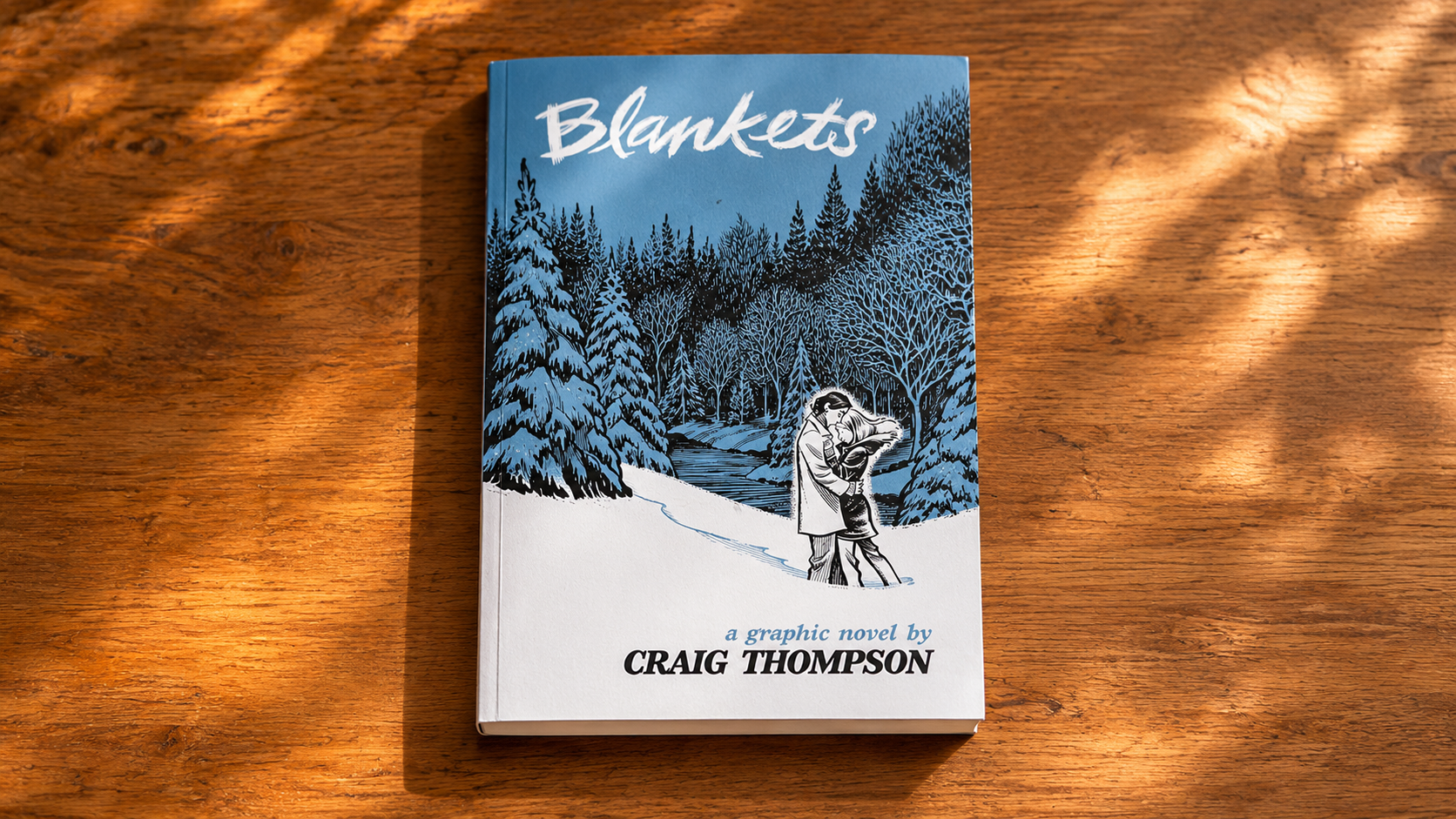
Blankets
Craig Thompson
Where it takes place: USA, primarily Wisconsin and Michigan
First love and religious doubt run through Thompson’s account of growing up in a strict Christian environment. A relationship formed at church camp opens up possibilities beyond the life he has been taught to expect. The story is intimate rather than panoramic, concerned with the difficult process of deciding which beliefs belong to you and which you have inherited.
Beyond the story: A reminder that cultural difference exists within countries, communities and even families.
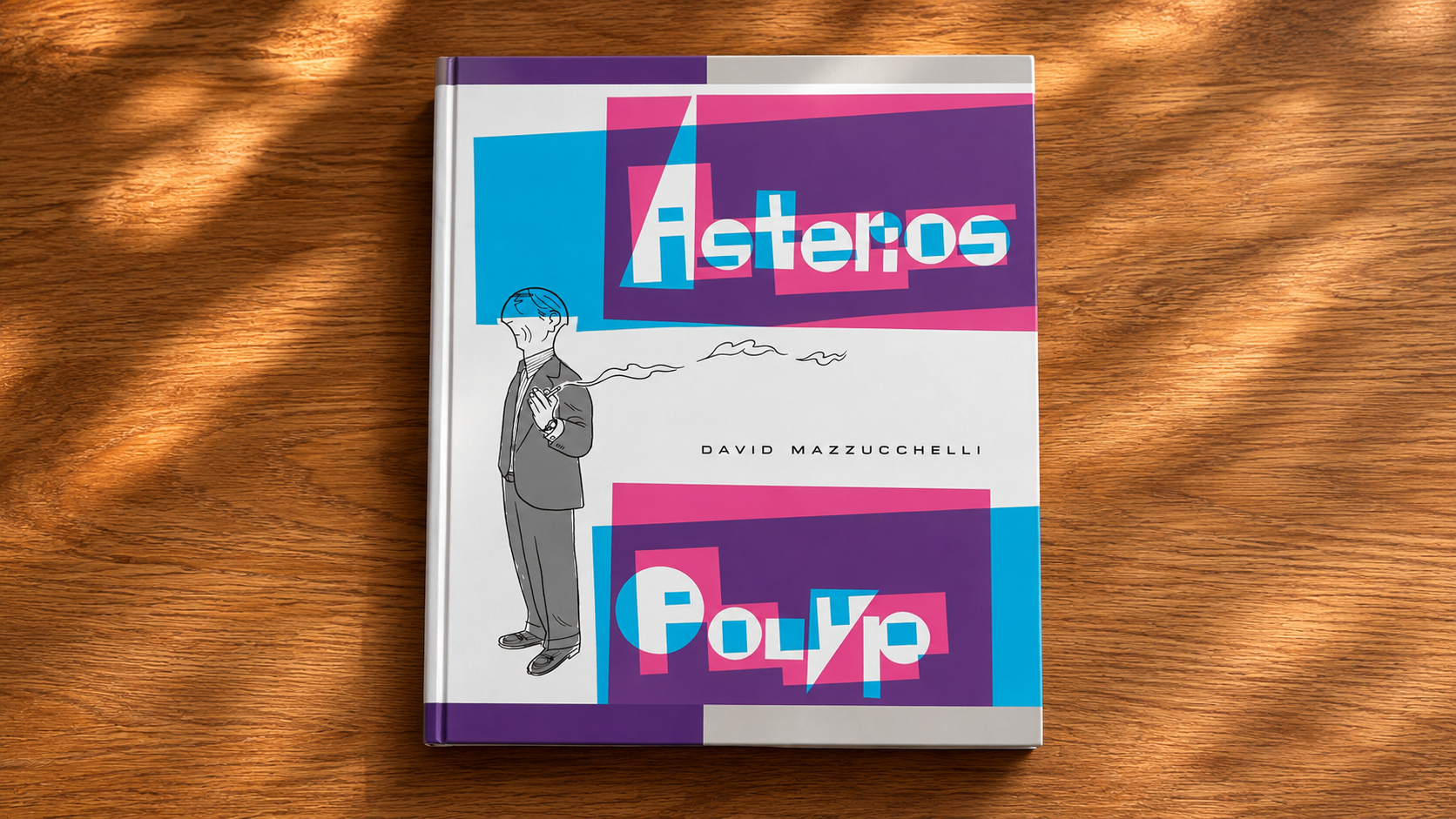
Asterios Polyp
David Mazzucchelli
Where it takes place: USA
After a fire destroys his New York apartment, an architect leaves his old life behind. As the story moves between his past and his attempt to start again, it exposes the shortcomings of someone accustomed to being right. Color, shape and lettering help convey differences in perception. This is the collection’s least geographical choice, but its interest in listening and understanding earns it a place.
Beyond the story: The trouble with assuming that your way of seeing the world is the obvious one.
A different kind of preparation
For faculty planning an international experience, a book can be a useful place to begin a conversation. What surprised you? Whose perspective are you hearing? What would you want to ask someone who lives there?
A story might complement pre-departure reading, prompt a discussion about belonging, or offer a different angle on a company visit. It should also leave room for disagreement. Comparing a memoir with another account, or a historical setting with life in that place today, can be more useful than treating any one book as the answer.
Or simply choose the story that interests you. Not every worthwhile read needs to become an assignment.
Take the conversation beyond the page
At International Study Programs, we work with universities to create study trips built around their learning goals. Through company visits, conversations with local experts and cultural experiences, students can explore the questions that reading raises in a different setting.
Get in touch
We’re ready to assist with any inquiries or questions you might have.
*Please note that we cater directly to universities and academic institutions. If you’re a student inspired by what we do, feel free to forward us to your faculty! However, we do not enroll students openly to our trips.
By submitting the form, you consent to the processing of your personal data.