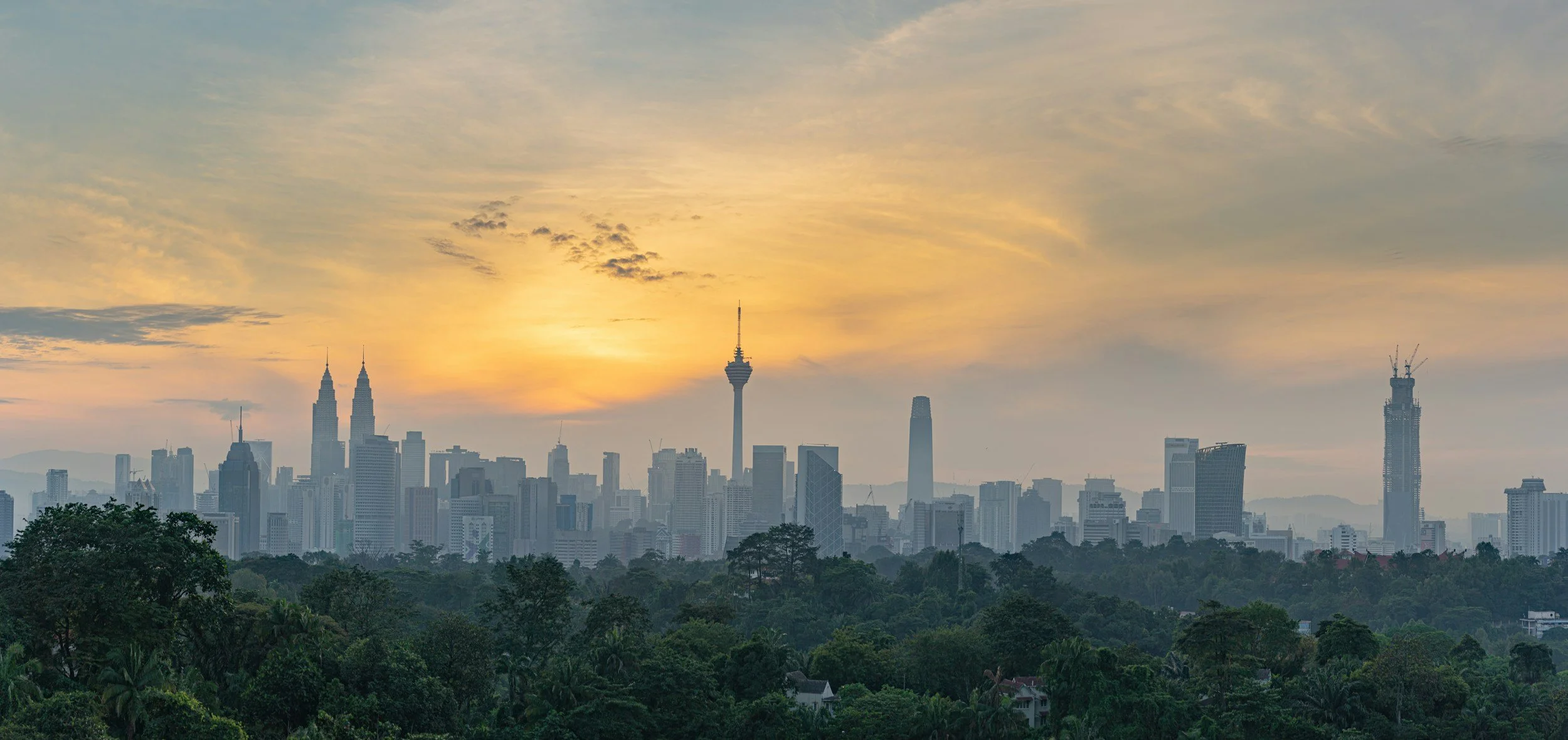
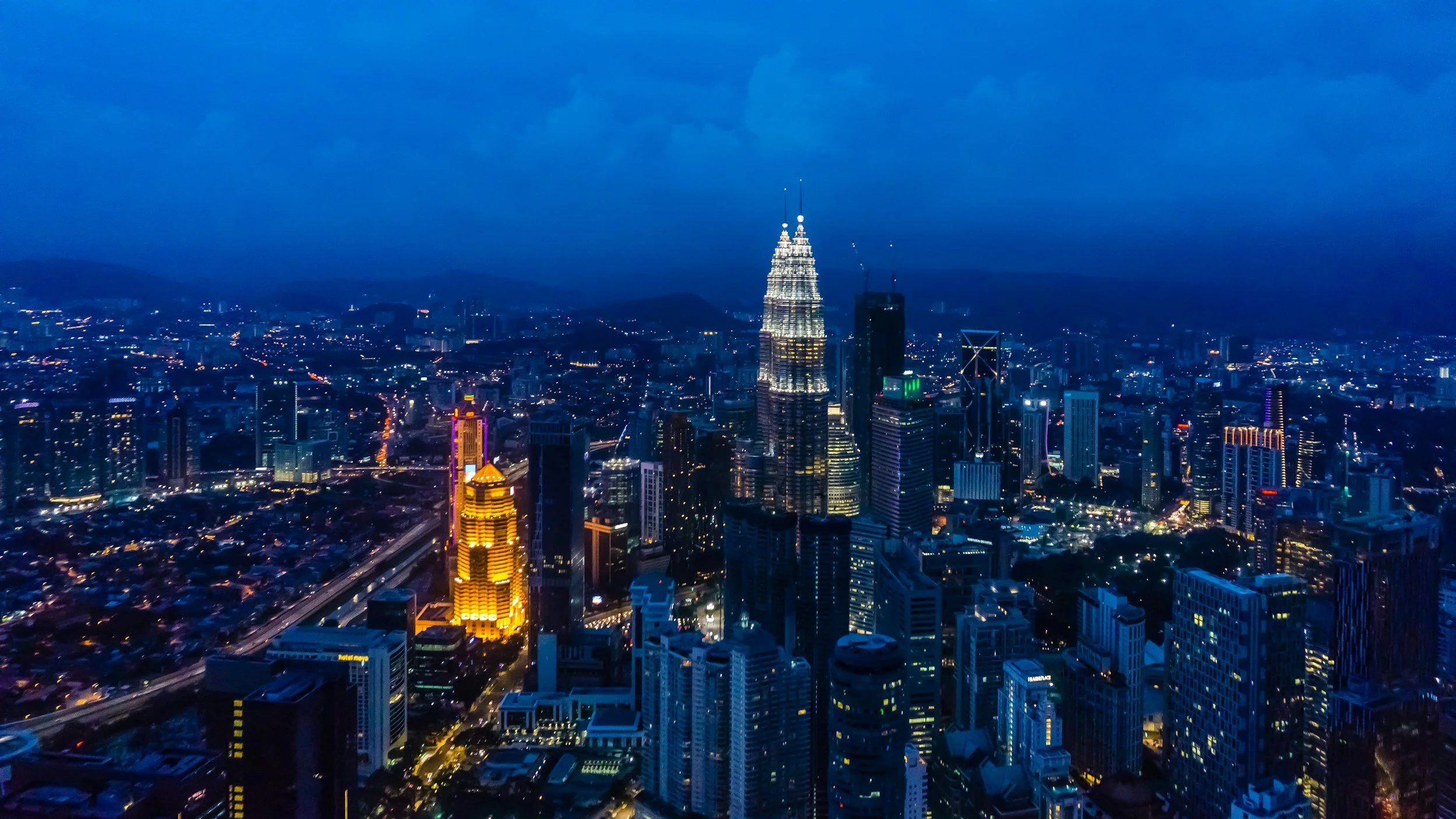
Further Information for your Programme in Kuala Lumpur
2027 EMBA Cambridge Judge Business School
Kuala Lumpur, Malaysia | March 14th - March 20th, 2027
KNOW BEFORE YOU GO
Population
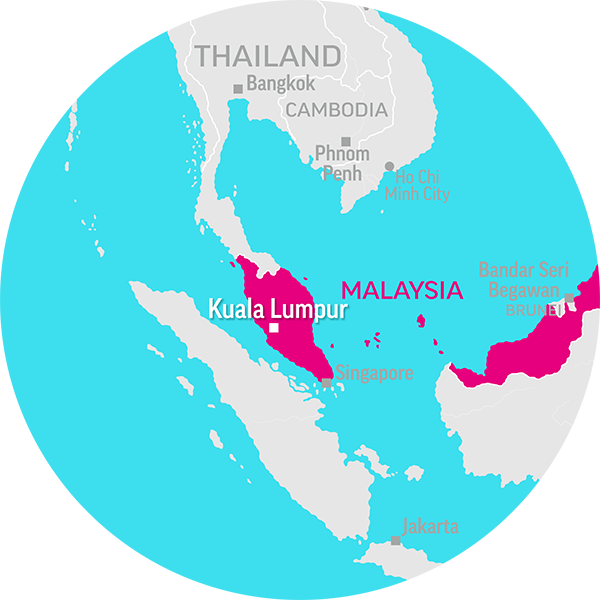
Malaysia: approximately 34 million people
Kuala Lumpur: approximately 2 million people
Time zone
Malaysia Standard Time is GMT+8 year-round, with no daylight saving time.
Working week
In Kuala Lumpur, the standard working week is Monday to Friday, with typical office hours around 9:00–17:00. Friday lunch breaks may be longer to accommodate prayers.
Currency
The local currency is the Malaysian Ringgit (MYR / RM). As a current guide, £1 ≈ RM5.47. Exchange rates fluctuate, so check the latest rate before travel.
Malaysia at a glance
Government
• Federal constitutional monarchy: Malaysia is a federation of 13 states and 3 federal territories, with a parliamentary democracy and a unique rotating monarchy.
• Parliamentary government: The Prime Minister is the head of government which follows the Westminster System. The current PM is Anwar Ibrahim of the reformist PKR party who heads a broad multi-party coalition.
• Power-sharing & political complexity: Malaysia’s politics reflects its multi-ethnic, multi-religious society, with coalition governments and ethnic/regional interests playing a significant role.
Economy
Export-driven & diversified:
Malaysia has a relatively open, trade-dependent economy, with major strengths in electronics & semiconductors, electrical equipment, palm oil, petroleum & gas, chemicals and manufacturing. It is increasingly positioning itself as a key player in global semiconductor and advanced manufacturing supply chains.
Strong regional position:
A founding member of ASEAN, Malaysia benefits from access to a large and growing regional market, while its strategic location between the Indian and Pacific Oceans supports its role as a manufacturing, logistics and investment hub.
Moving up the value chain:
Malaysia is seeking to transition from a middle-income, resource/manufacturing-based economy towards higher-value activities, digitalisation, technology and services. Key challenges include productivity, skills shortages, income inequality and reducing dependence on traditional commodities and lower-cost manufacturing.
Weather and what to pack
March temperatures
Expect hot conditions throughout the programme, with daytime temperatures typically reaching 32–33°C and nighttime temperatures around 23–24°C.
Rainfall/thunderstorms
March can bring afternoon and early evening thunderstorms. Showers are often brief but heavy, and localised flash flooding can occasionally affect city streets.
Humidity
Humidity remains high throughout March, making temperatures feel warmer, particularly during the middle of the day.
Clothing
Pack lightweight, breathable clothing suitable for tropical conditions. Indoor venues can be heavily air-conditioned, so a light cardigan or jacket is useful.
Rain gear
Carry a compact umbrella or lightweight rain jacket, as tropical downpours can develop quickly.
Sun protection
Bring high-SPF sunscreen and sunglasses, with a hat or cap recommended for longer periods outdoors.
British citizens do not require a visa for short stays (tourism, social visits, short business) in Malaysia. You will generally be allowed to stay up to 90 days on arrival. As of 1 December 2023, all foreign nationals (see exceptions here) must complete the Malaysia Digital Arrival Card (MDAC) online prior to arrival, typically within 3 days before arrival. If unsure of your eligibility, contact the Malaysian High Commission in London before travel.
Visa requirements
Malaysia Digital Arrival Card (MDAC)
Submitting an Arrival Card - MDAC
All foreign visitors must complete the MDAC online before travel (see exceptions here).
The form should be submitted within 3 days before arrival at: https://imigresen-online.imi.gov.my/mdac/main
Airlines may check your MDAC submission before boarding.
| Country | Visa Requirement |
|---|---|
| Bolivia | Visa-exempt (90 days) + Yellow fever certificate (valid for 10 years) |
| Bulgaria | Visa-exempt (90 days) |
| Canada | Visa-exempt (90 days) |
| China | Visa-exempt (30 days) |
| Colombia | Visa required: e-Visa online |
| Germany | Visa-exempt (90 days) |
| Greece | Visa-exempt (90 days) |
| Hong Kong | Visa-exempt (90 days) |
| Nigeria | Visa required: e-Visa online + Yellow fever certificate |
| Pakistan | Visa required: e-Visa online |
| Peru | Visa-exempt (90 days) + Yellow fever certificate (valid for 10 years) |
| Poland | Visa-exempt (90 days) |
| Republic of Korea | Visa-exempt (90 days) |
| Russia | Visa-exempt (30 days) |
| Slovakia | Visa-exempt (90 days) |
| South Africa | Visa-exempt (90 days) |
| Taiwan | Visa-exempt (30 days) |
| U.K. | Visa-exempt (90 days) |
| U.S.A. | Visa-exempt (90 days) |
| Zimbabwe | DISPUTED - officially exempt, but local partner says visa needed (30 days) |
*Please note that the details and requirements may vary slightly between embassies, so when applying for a visa, if needed, ensure you follow the official requirements stated on the respective embassy’s website.
Vaccinations
Ensure vaccinations are up to date (e.g. tetanus, hepatitis, etc.); Malaysia has no major malaria risk in Kuala Lumpur itself but in remote rural zones may have other vector-borne risks.
Travel insurance
Covering health, accidents and cancellations are strongly recommended.
Health
Local laws & customs
Tourist conduct
Respect local sensibilities: dress modestly in public, especially in religious sites.
Photography & permissions
Do not photograph military, police installations, or personnel without permission.
Drug laws
Malaysia has strict penalties for drug possession and trafficking.
ON THE GROUND
Getting to Kuala Lumpur
KLIA to hotel area
Kuala Lumpur International Airport (KLIA) is approximately 55–60 km from the proposed hotels in central Kuala Lumpur, around 45–60 minutes by car, depending on traffic.
Typical journey time
Direct flights from London Heathrow to Kuala Lumpur take approximately 13 hours, with direct services operated by British Airways and Malaysia Airlines.
Country Code:
+60 (Malaysia)
Kuala Lumpur city area code:
3 (e.g. +60-3-XXXX XXXX)
Connection
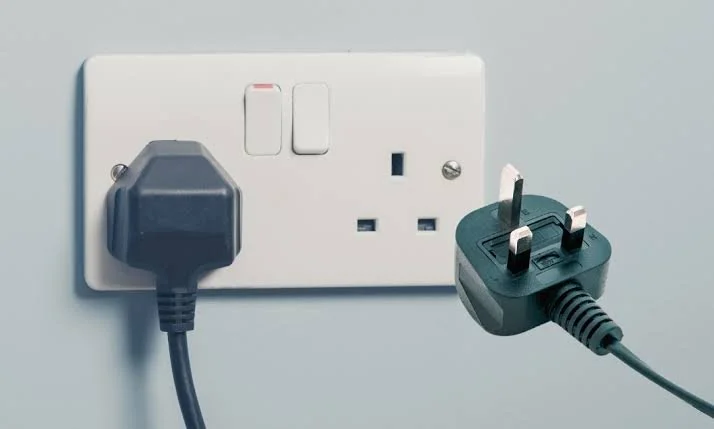
Malaysia uses Type G plugs (three rectangular prongs in triangular formation), same as UK style. Standard voltage is 230 V, 50 Hz (though in practice often about 240 V).
If your devices are dual-voltage (100–240 V), you need only a plug adapter; otherwise, a voltage converter is required.
It is recommended to carry a surge protector or universal travel adapter.
Electricity
Cash/card
Cards are widely accepted across Kuala Lumpur, particularly at hotels, restaurants, shopping centres and larger businesses. Carrying some Malaysian Ringgit is still useful for smaller vendors, markets and street food.
Apple Pay/contactless
Contactless card payments and Apple Pay are widely supported at businesses with compatible payment terminals, particularly in central Kuala Lumpur.
ATMs
ATMs are widely available at banks, shopping centres and other locations across the city. International cards are generally accepted, although withdrawal and foreign transaction fees may apply.
Tipping
Tipping is not mandatory, but customary for good service: 5–10% in restaurants is appreciated (if service not already included). For hotel staff (bellhops, housekeeping), small tips (RM 5–10) are acceptable. In taxis, rounding up the fare is common but not expected.
Money
Transportation & traffic
Grab
Grab is widely used in Kuala Lumpur and is a convenient option for getting around the city. Rides are booked and paid for through the app, with fares shown in advance.
MRT/LRT/Monorail
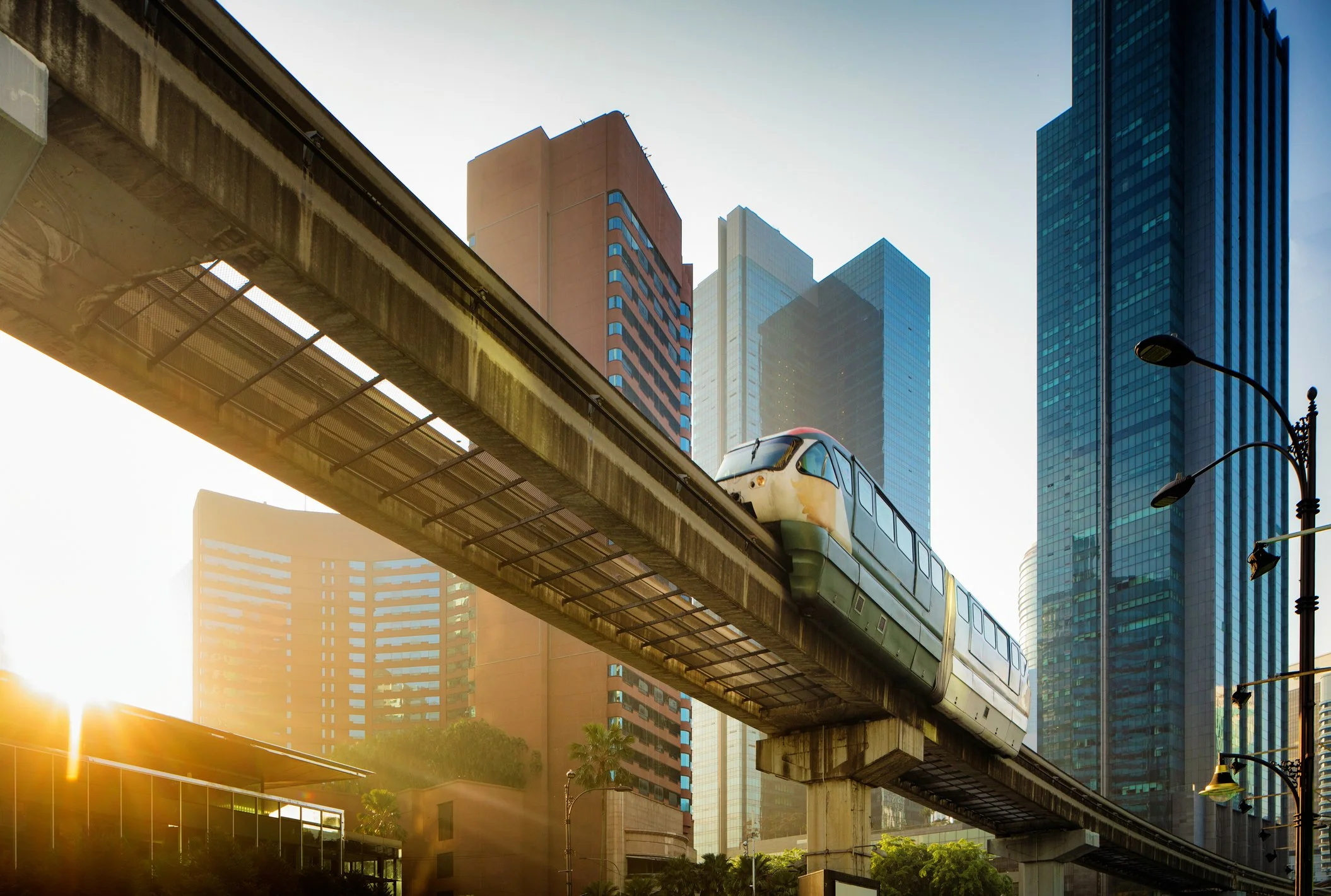
Kuala Lumpur has an extensive MRT, LRT and Monorail network connecting the city centre with major business, shopping and cultural areas. Services are generally frequent and air-conditioned.
Traffic considerations
Kuala Lumpur can experience heavy traffic during peak hours, particularly on weekdays. Allow extra journey time for road transfers, especially during the morning and evening rush hours.
Local etiquette
Relationships & small talk
Business relationships are important in Malaysia, and meetings often begin with informal conversation before moving into business. Taking time to build rapport is valued.
Greetings & hierarchy
A handshake and polite greeting are standard in business settings. Titles and seniority are respected, so acknowledge the most senior person first and use professional titles where appropriate.
Business cards
Exchange business cards politely and with care, ideally using both hands. Take a moment to look at a card before putting it away.
Meeting pace
Meetings may progress at a more measured pace, with time given to relationship-building and discussion before decisions are reached.
Personal space
Maintain a respectful amount of personal space and avoid unnecessary physical contact, particularly with someone of the opposite sex.
Communication style
Communication can be polite and indirect, particularly when expressing disagreement. Pay attention to tone and context, and allow others time to express their views.
Dress codes will vary throughout the week, from casual for cultural activities to business casual or formal for company visits, networking and dinners.
Check the guidance below for what to wear for each setting, with your itinerary and Travel Zone App confirming the appropriate dress code for individual activities.
Dress code

Food & drink
Diverse cuisine:
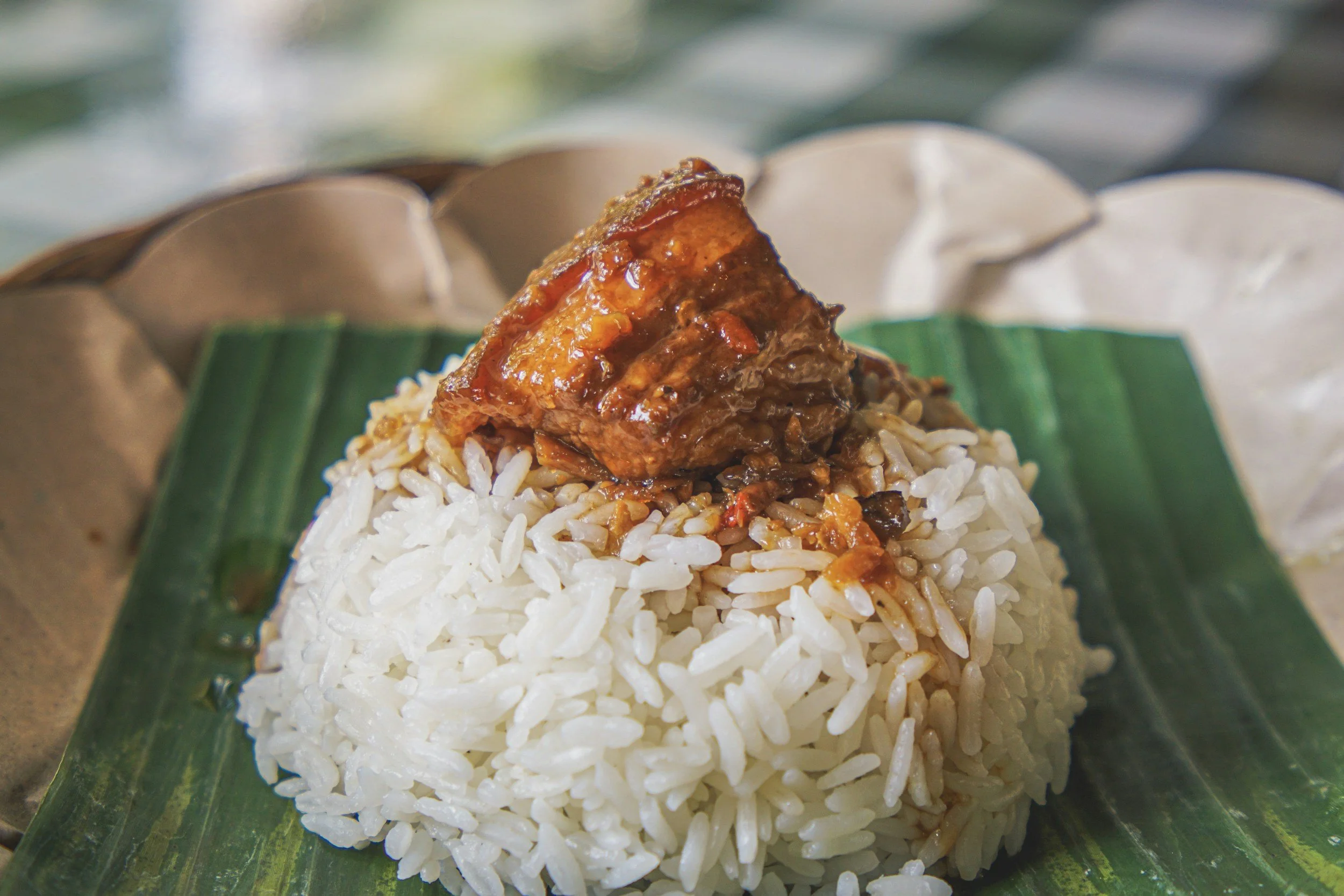
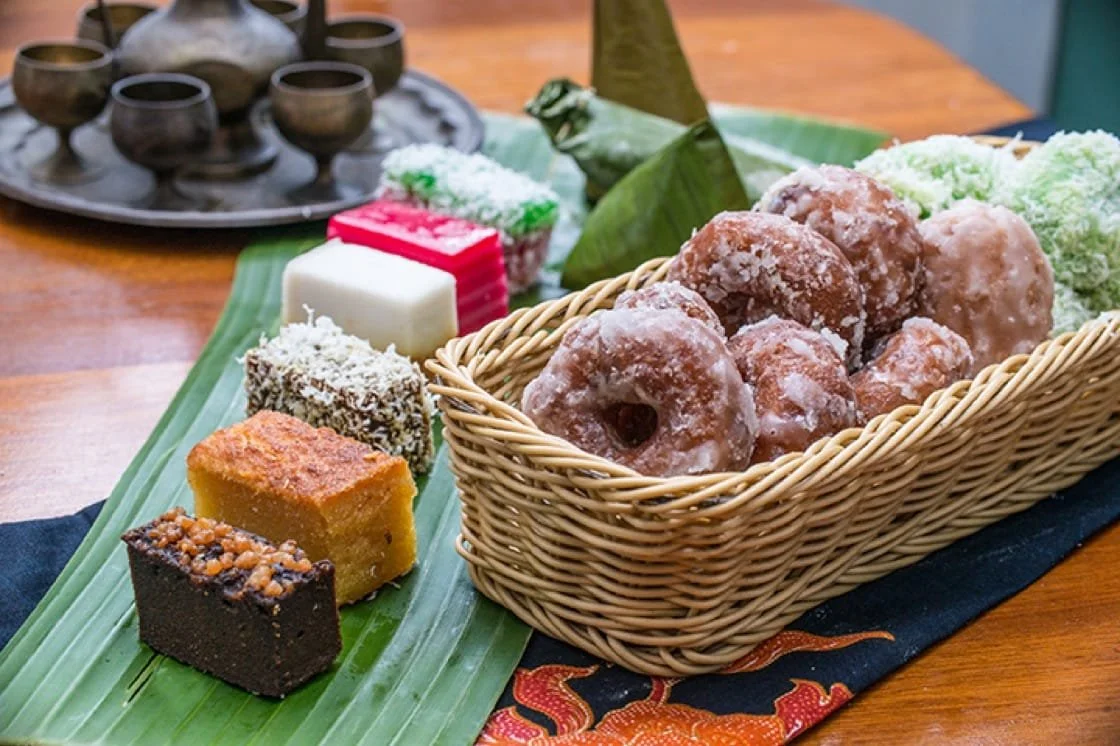
Malaysian food is a fusion of Malay, Chinese, Indian, Peranakan (Nyonya) and indigenous Bornean influences. Signature dishes you’ll see everywhere in Kuala Lumpur include nasi lemak (widely regarded as Malaysia’s national/most iconic dish), roti canai, char kway teow, laksa, satay, rendang and an array of kuih (traditional snacks/sweets).
Dining reflects Malaysia’s multi-ethnic population and ranges from hawker stalls to fine dining.
Dietary considerations:
Halal: As a majority-Muslim country, many restaurants and food outlets in Kuala Lumpur are halal-certified. Look for the national JAKIM / Halal Malaysia logo when you need halal assurance.
Vegetarian/vegan: Kuala Lumpur is increasingly vegetarian/vegan-friendly; many Indian, Buddhist-vegetarian and dedicated vegetarian/vegan cafés/restaurants exist in the city. Menus often accommodate dietary requests, but always ask about ingredients (e.g., fish sauce, shrimp paste).
Spice & preferences: Malaysian dishes can be spicy; if you prefer milder food, ask for “kurang pedas” (less spicy) or “tidak pedas” (not spicy) in Malay.
Street food:
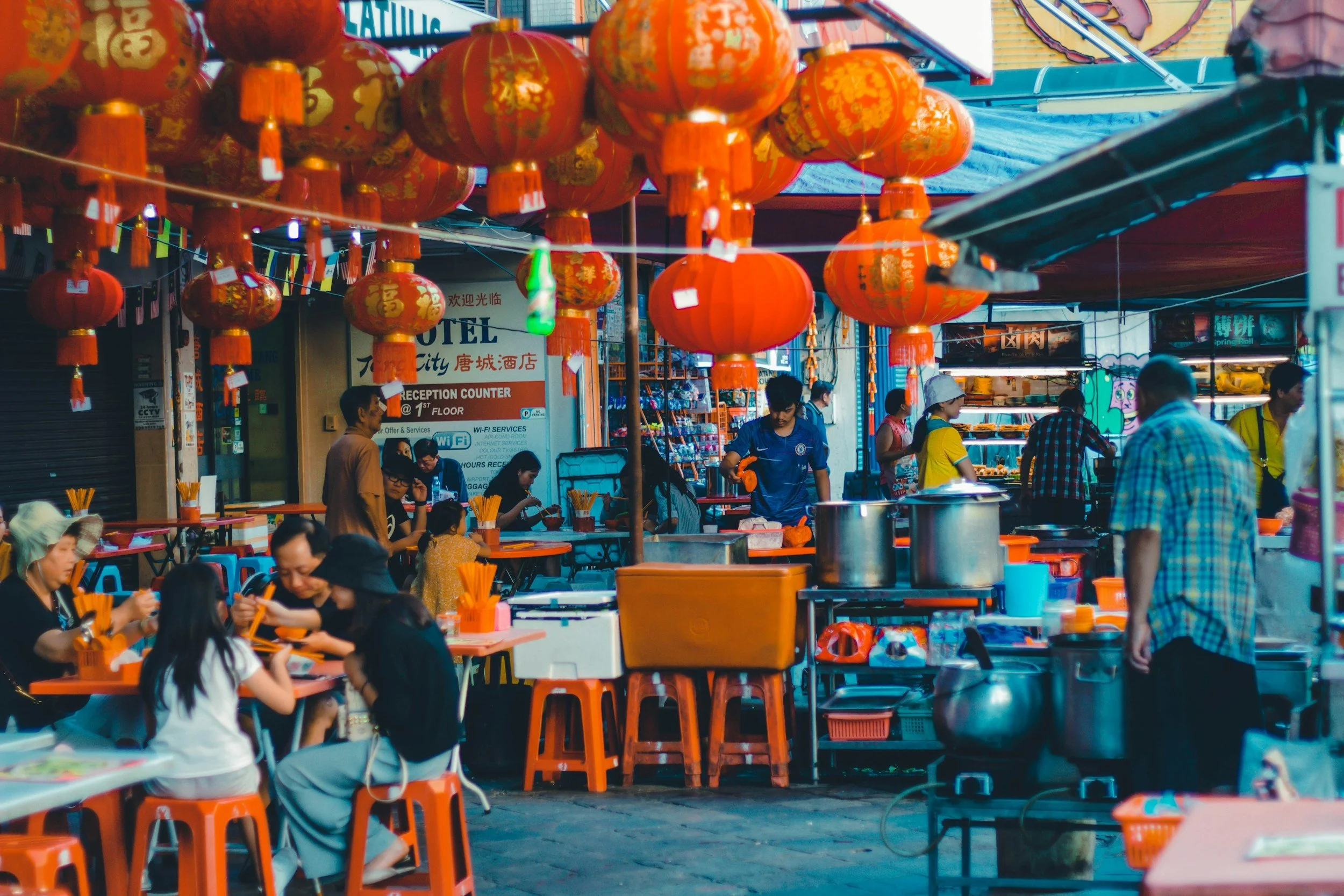
Where to go: Famous street-food hubs include Jalan Alor (Bukit Bintang), Petaling Street / Chinatown, hawker centres and night markets across the city; these are excellent places to sample a wide variety of local dishes.
Safety & hygiene: Street food in Kuala Lumpur is generally safe if you follow common-sense precautions: choose busy stalls with rapid turnover (freshly cooked, piping hot), avoid uncooked/undercooked items if unsure, peel fruit yourself and follow standard traveller food/water precautions (hot/cooked food, bottled water where appropriate). The CDC’s travel guidance for food and water precautions remains a good general reference.
Drinking water:
Tap water in Kuala Lumpur is generally treated and safe in many urban areas, but it is advised to boil the tap water before drinking or drink bottled or filtered water as a precaution. For more rural areas or less established facilities, use bottled or filtered water.
The Travel Zone app
Stay informed
Your digital companion throughout Kuala Lumpur, the Travel Zone App keeps the latest itinerary, company visit details, speaker profiles, local recommendations and essential contacts together in one place, with real-time updates and offline access helping participants navigate a busy week with confidence.
Useful maps & links
MRT map
Plan journeys around Kuala Lumpur using the integrated rail map, covering MRT, LRT, Monorail and other rail connections.
KL map
Explore Kuala Lumpur’s key districts, landmarks, transport links and places of interest with the official Tourism Malaysia city map.
Cultural links
Discover a snapshot of Southeast Asia’s economic performance and outlook here.
Read about the IMF’s latest assessment of Malaysia’s economy here.
Explore the UN’s key results and priorities supporting Malaysia’s sustainable development journey here.
Discover the World Bank’s insights on inequality, opportunity and social mobility in Malaysia here.
Learn about the role of religion and ethnic identity in Malaysia’s evolving politics here.
Read about the trade agreement shaping business and investment between the UK and Malaysia here.
Explore expat life in Kuala Lumpur, from culture and cost of living to work and everyday life here.
EMERGENCIES
Assistance required
For urgent medical assistance, contact the International Study Programs team or your Programme Manager, who can help coordinate appropriate local support.
Recommended hospital
Prince Court Medical Centre is a leading private hospital in central Kuala Lumpur, conveniently located close to the proposed hotel area and offering 24-hour emergency services.
Address: 39, Jalan Kia Peng, Kuala Lumpur, 50450 Kuala Lumpur, Wilayah Persekutuan Kuala Lumpur, Malaysia
Phone: +60321600000
Key information
Keep your passport or a copy of your ID, insurance details and any relevant medical information accessible. Medical treatment may require payment or proof of insurance, so retain all receipts and documentation for any claim.
Health & safety
999
Main emergency number (Police · Ambulance · Fire & Rescue)
112
Emergency number from mobile phones
Emergency numbers